
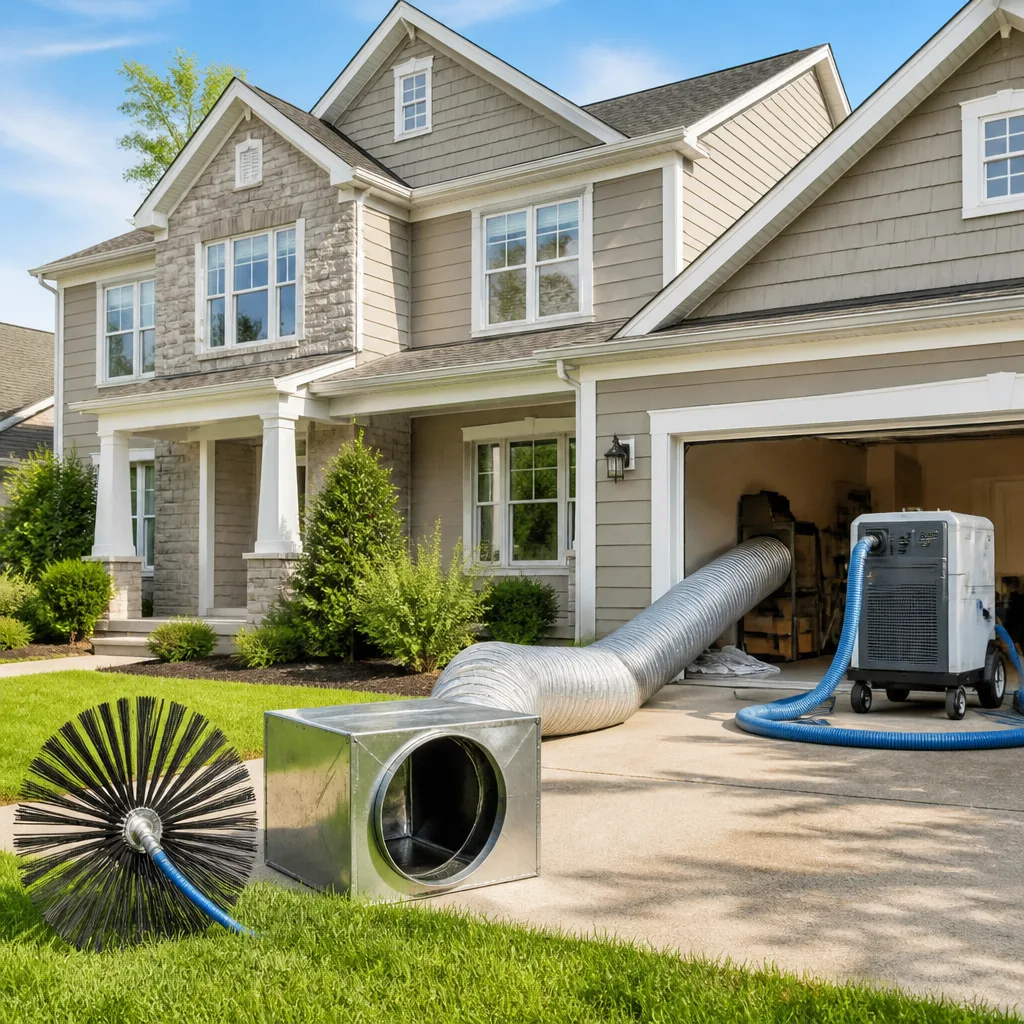
 Whole-home duct cleaning
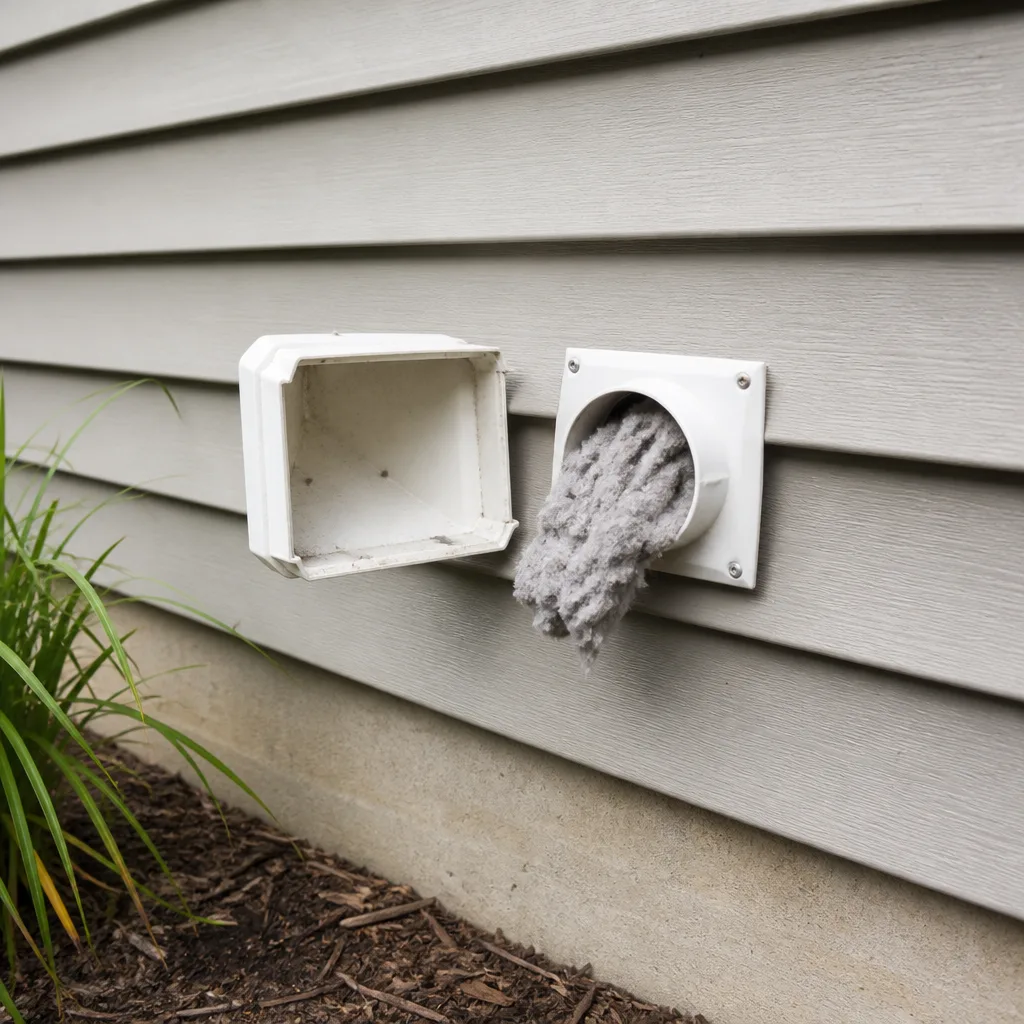 Dryer vent cleaning
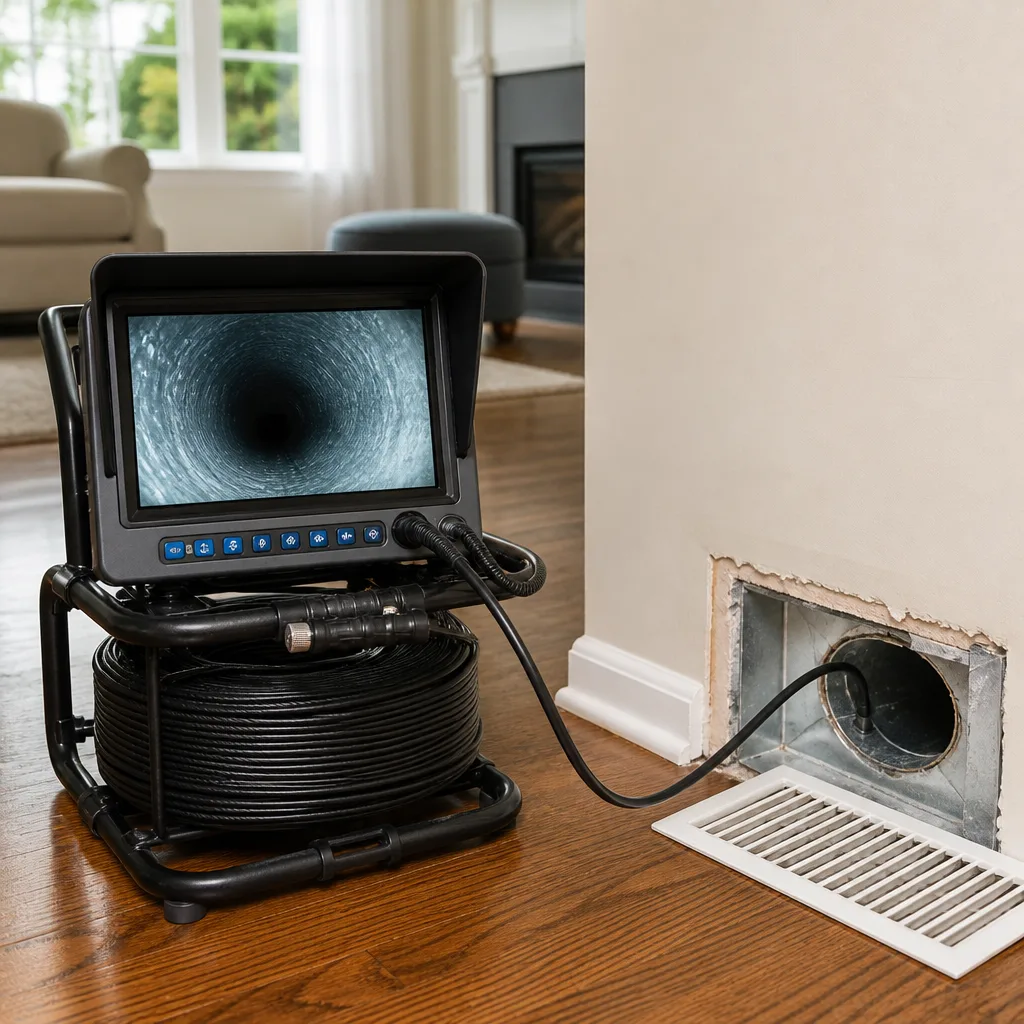 Camera inspection
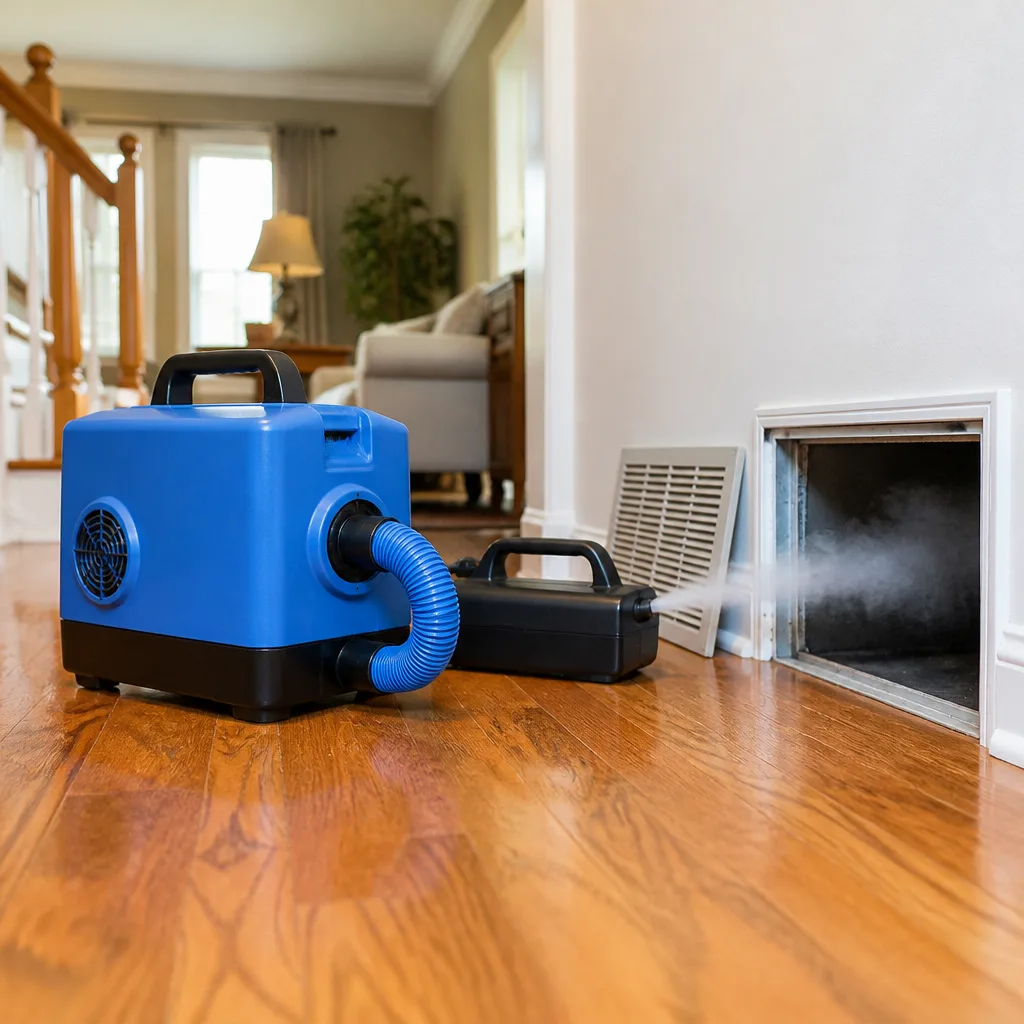 Sanitizing & deodorizing
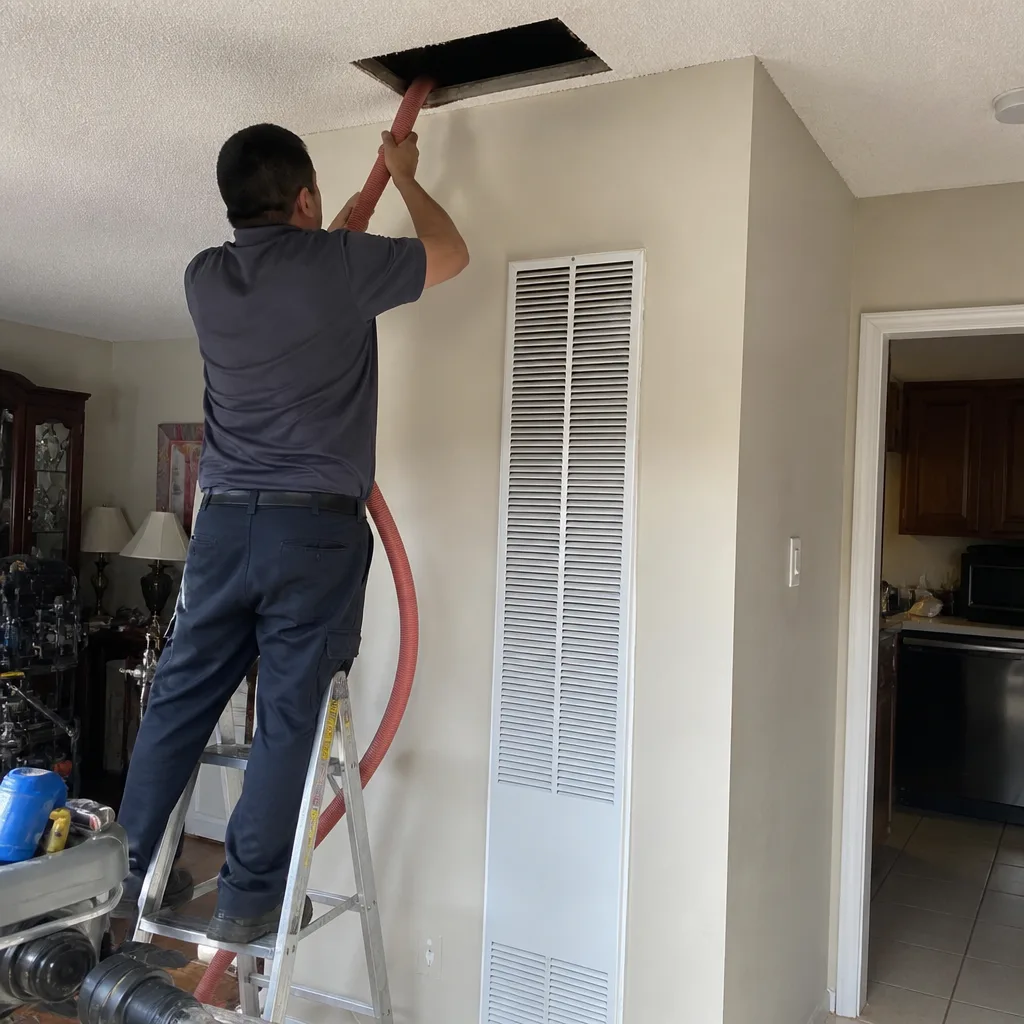
Whole-system duct and dryer vent check with before-and-after photos - you see exactly what came out of your vents
That "$99 whole-house special" is a bait ad - the real number appears once they are in your hallway, or the "clean" is a shop-vac at the register. We photograph the inside of your ducts before and after instead.
Honeywell Coil Cleaning: The Torrance Owner’s Guide
Professional Honeywell coil cleaning in Torrance typically runs $180 to $420 depending on whether you need the evaporator coil, condenser coil, or both done, and we stock the cleaning chemistry and coil-safe equipment to handle it same-visit. Most Torrance homeowners discover they need this service because their AC is running but not cooling like it used to, the unit is short-cycling, or there’s a musty smell coming through the vents. What we find on nearly every call is the same thing: a coil so packed with dust, dog hair, and the fine coastal grime that settles on everything in the South Bay that airflow has basically been choked off.
Here’s the thing most HVAC companies in Torrance won’t tell you plainly: coil cleaning isn’t a “nice to have” maintenance task, it’s the difference between a Honeywell system that lasts 15 years and one that eats its own compressor by year 8. Omar Haddad has pulled enough disintegrating coil cleaner bottles and half-melted filter frames out of air handlers across Torrance to know exactly what neglect costs, and the math is rarely kind.
Which Honeywell Models This Applies To
If your Honeywell system was installed in the last 15 years, there’s a strong chance you’re running one of their TrueZONE panel lines paired with either a Honeywell-matched evaporator coil or a Rheem-manufactured coil that Honeywell rebrands for their packaged systems. The cleaning process itself is largely the same across Honeywell’s residential lines, but there’s a compatibility gotcha worth knowing: Honeywell’s newer cased coils use a denser fin count per inch than older models, which means they trap more of Torrance’s fine particulate and need cleaning more often, not less.
To identify what you have before calling us, check the data plate on the outside of your condenser or the side of your air handler. You’re looking for a model number that starts with an H (like HWP or HCA lines) for Honeywell-branded coils, or an R-number if it’s a Rheem-manufactured coil that shipped inside a Honeywell package unit. We stock OEM-spec coil cleaner rated for Honeywell fin stock, plus an aftermarket equivalent that’s phosphate-free and safer for coastal Torrance homes where aluminum corrosion is a real concern. For most owners, both work equally well. The decision really comes down to the age of the coil, and we’ll walk you through that before any work starts.
Styles & brands we work with
Signs Your Honeywell Coil Cleaning Is Failing
- The AC runs constantly but your Torrance home won’t drop below 78 degrees. This is the classic symptom of a dirty evaporator coil. The coil can’t transfer heat at the rate it should, so the system runs forever and the coil starts freezing over, which makes the problem even worse.
- Your energy bill spiked 20 to 40 percent with no change in usage. A coil caked with dust and grime forces the compressor to work significantly harder to reach the same temperature. In Torrance, where SoCal Edison rates already climb every summer, a dirty coil quietly robs you every single month.
- You’re getting a musty or damp smell through the vents when the AC kicks on. That’s biological growth on the coil itself, all that trapped dust and pet dander staying damp in coastal humidity and turning the coil into a science experiment.
- You can see ice forming on the copper line or the coil housing. If you spot frost on the line set outside or ice on the indoor coil, the coil is starved for airflow and the refrigerant can’t absorb heat properly. It’s a symptom, not the disease, and the disease is often a layer of grime you can’t see without opening the panel.
- The outside condenser coil looks furry between the fins. Torrance’s cottonwood trees, sycamores, and construction dust all find their way into the condenser coil fins. The coil can’t reject heat when the fins are clogged, so the system runs hot and wears out faster.
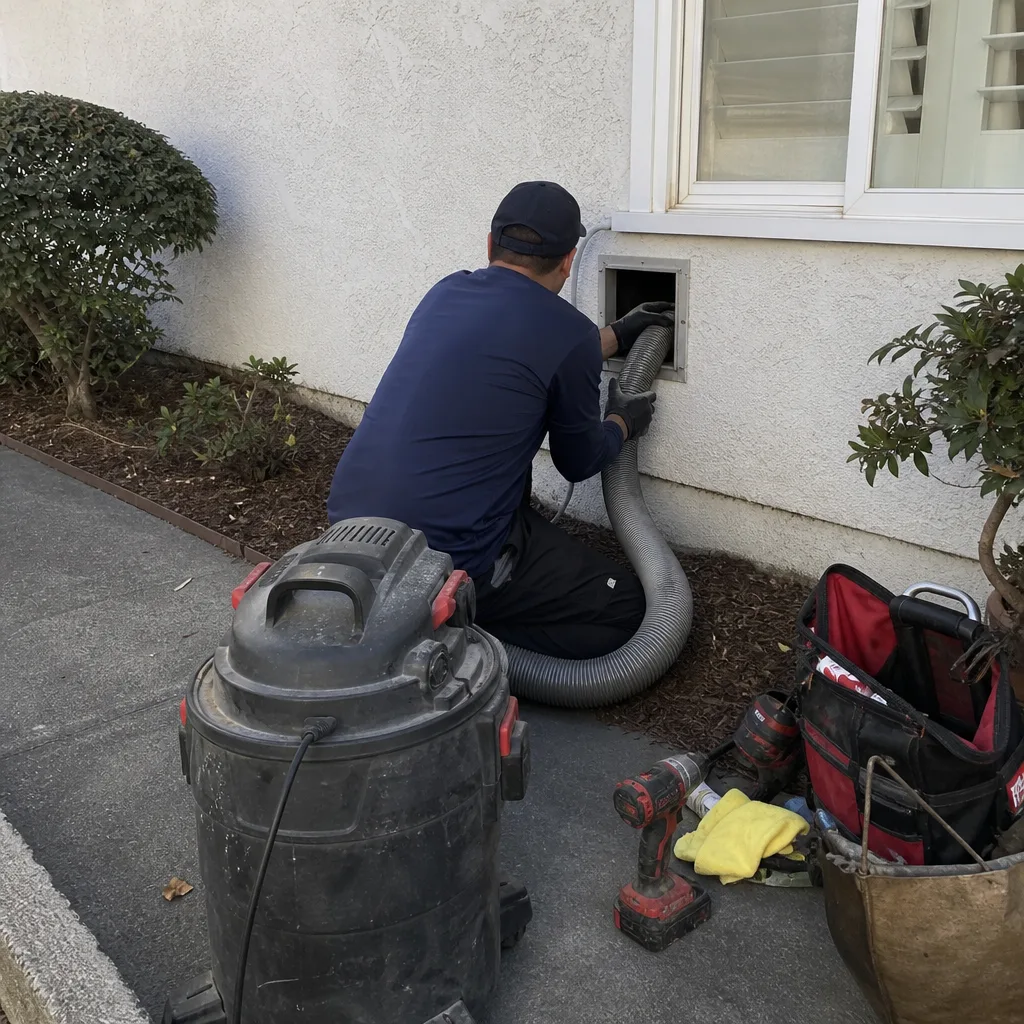
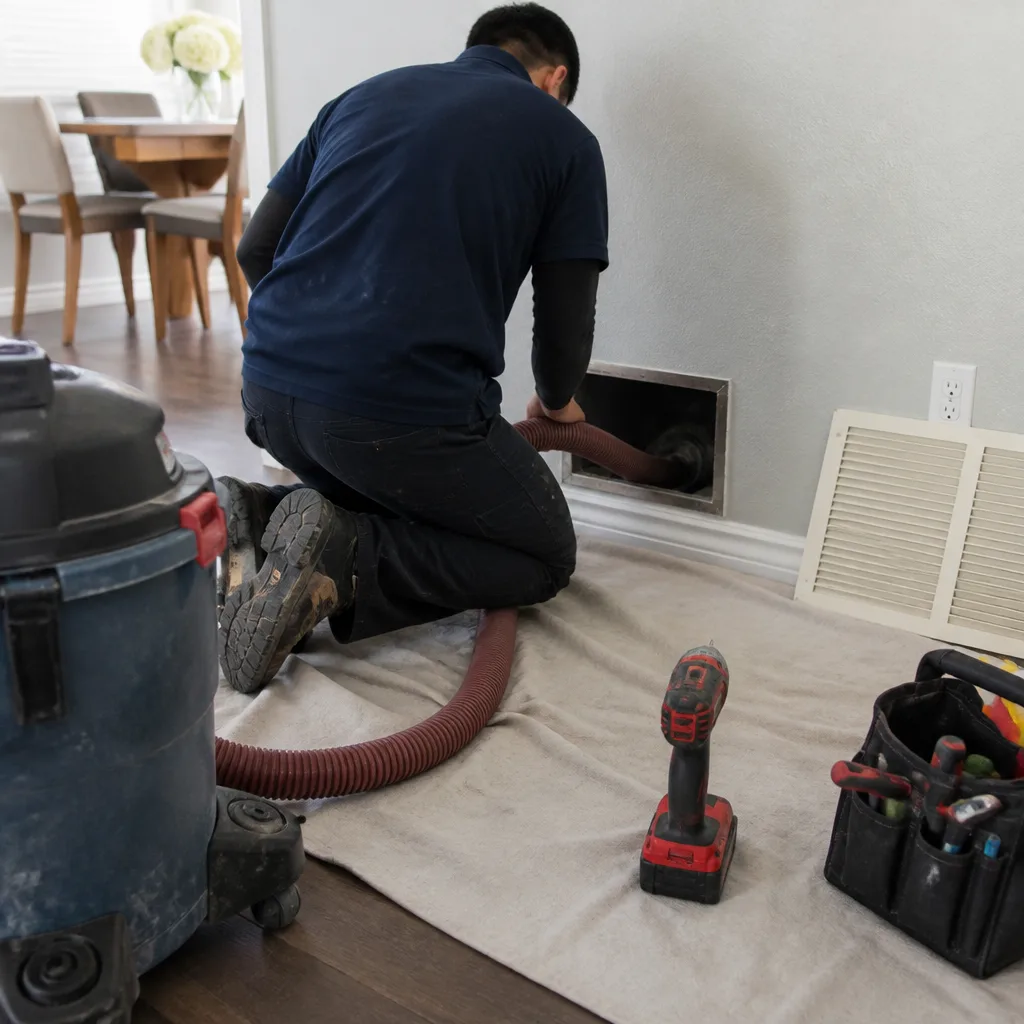
See the difference
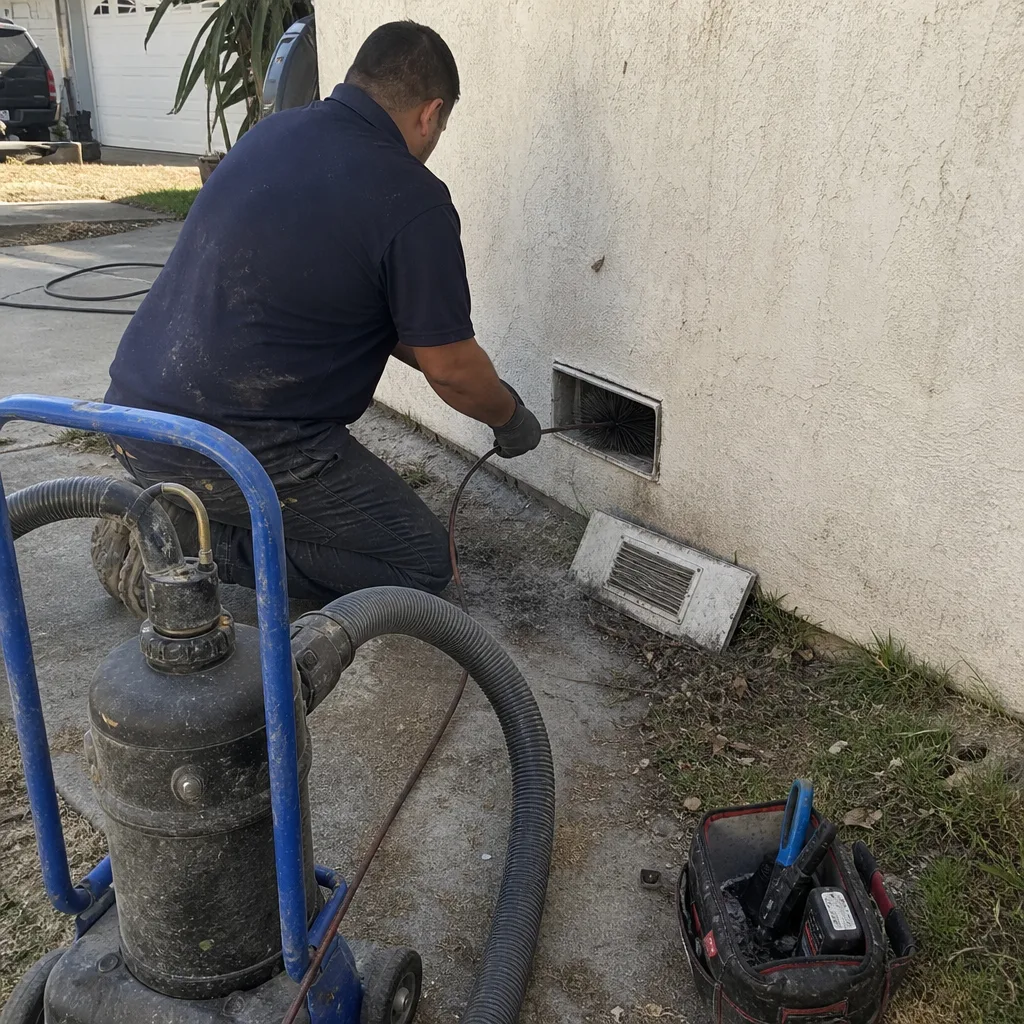 Before
 After
After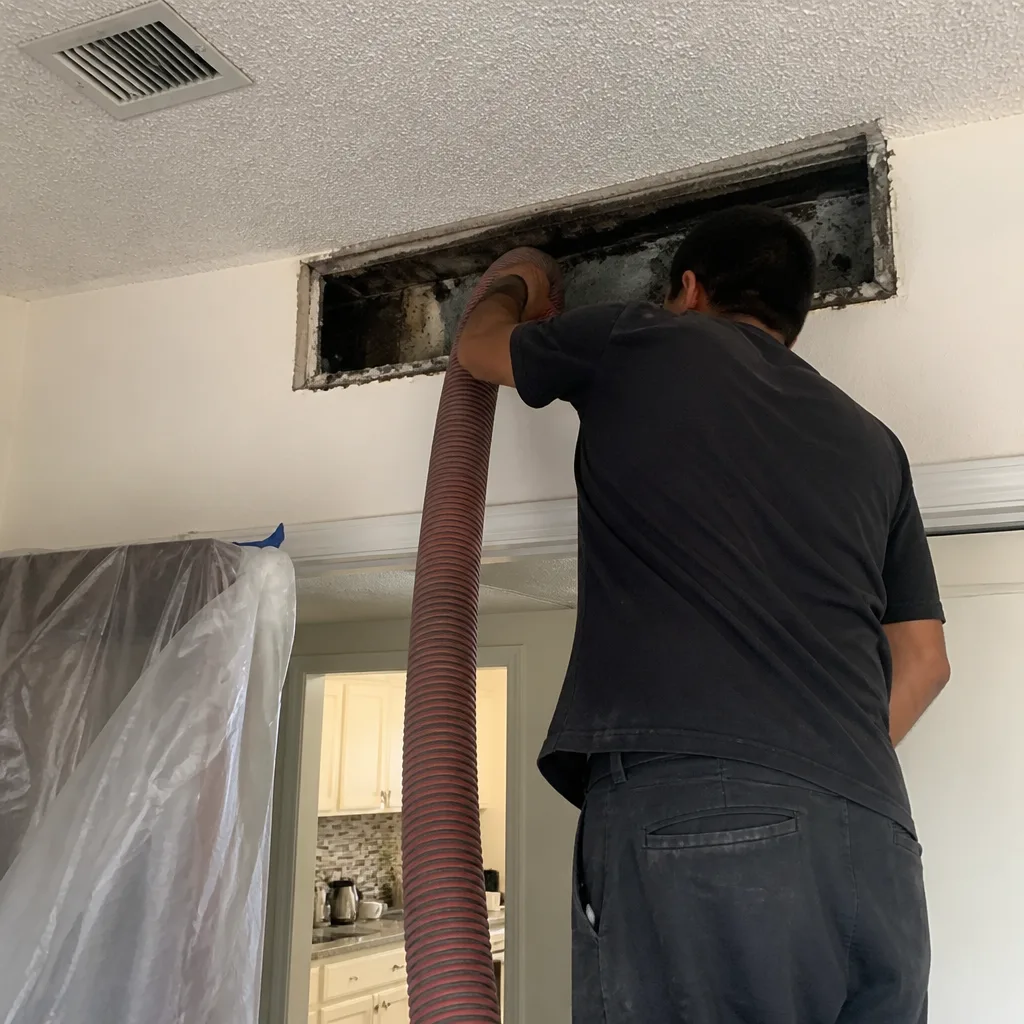 Before
 After
After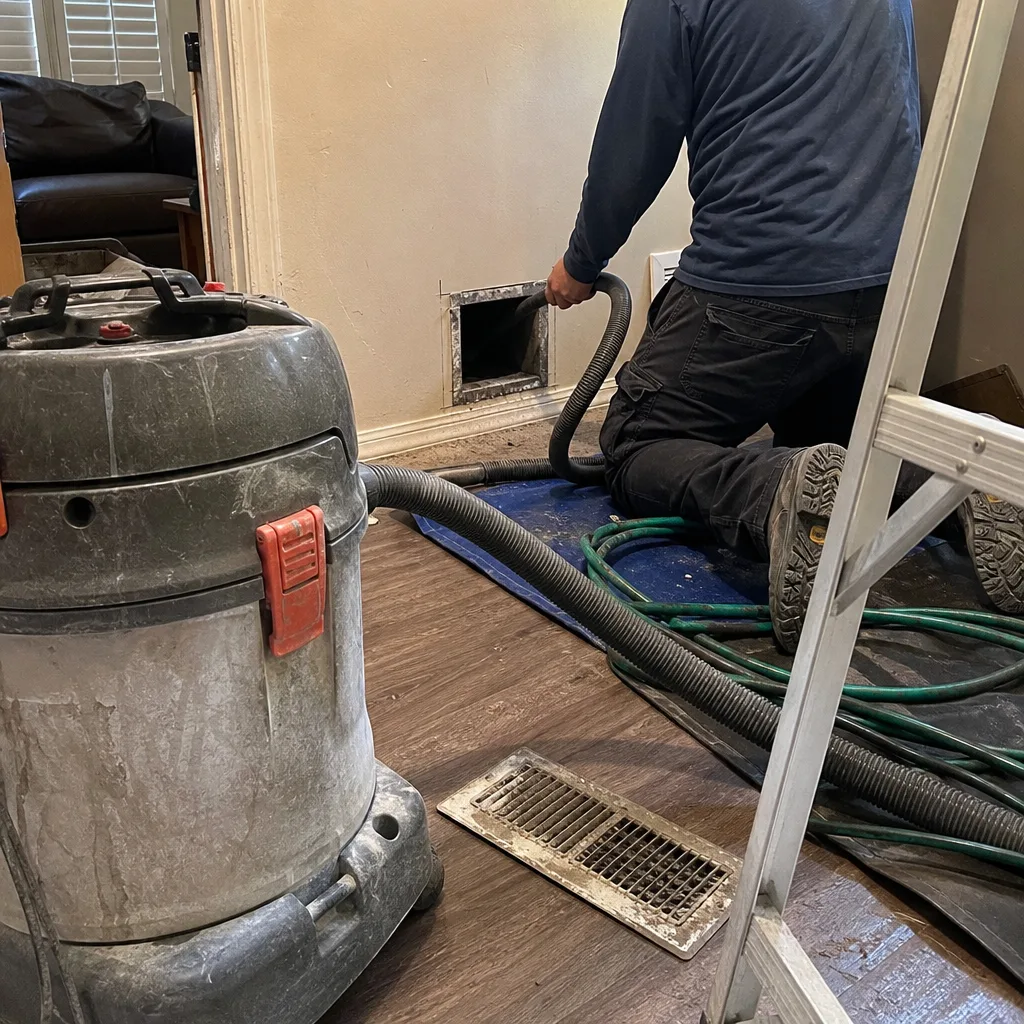 Before
 After
AfterReplacement Cost & What’s Included
Let’s talk straight numbers, because that’s what we’d want if we were in your shoes. A full Honeywell evaporator coil cleaning in a typical Torrance home runs $280 to $420. Condenser-only cleaning is $180 to $260. Both coils at once, which is what we recommend for most systems over 10 years old, lands between $380 and $520 depending on access and how long it’s been since the last cleaning.
Every job includes a detailed inspection of the coil condition before we touch anything, a written price handed to you before the work starts, before-and-after photos of your actual coil, and our 365-Day Done Right Promise: if the work isn’t right within a full year, we return and correct it at no charge. No upselling a “deluxe” coil rinse. No discovering a surprise surcharge once the panels are off. The price we quote is the price you pay.
DIY or Call Us?
Some maintenance tasks make sense to tackle yourself. Coil cleaning on a Honeywell system isn’t one of them, and that’s coming from someone who loves to see a homeowner take pride in their system. You can absolutely change your own filters, keep the condenser area clear of leaves, and rinse the outside condenser fins gently with a garden hose when the system is off. We encourage all of that.
But proper coil cleaning requires opening the air handler, pulling the panels, and working with coil cleaner chemistry that can damage the fin stock if applied wrong, your skin and lungs if you’re not protected, and the delicate TXV valve if the chemical gets pushed where it doesn’t belong. One wrong pass with a fin brush and you’ve folded over enough aluminum fins to cut your coil’s efficiency by a third. If you love your Honeywell system, call us at (424) 488-0361 and let Omar and the crew handle it. You’ll see exactly what we did, before and after, on your own phone.
FAQs
Most Honeywell coils in Torrance need professional cleaning every 3 to 5 years, but homes with pets, older ductwork, or nearby construction may need it every 2 to 3 years. Coastal air here carries more salt and fine particulate than inland LA, so if you’re within a few miles of the water, lean toward the shorter interval. Call (424) 488-0361 and we’ll give you an honest assessment for your specific system and location.
In most cases a dirty coil just needs a proper cleaning, not replacement. The exceptions are coils that have been neglected so long that the aluminum fins are corroded, crushed, or the coil has developed pinhole leaks from trapped moisture. We’ll tell you honestly which camp your coil falls into, and you’ll see the photos to back it up.
A standard evaporator and condenser coil cleaning takes 2 to 3 hours for a typical Torrance home, depending on access and how much buildup is present. If the coil is severely neglected, plan on closer to 4. We’ll give you a live arrival window through The Relay Standard, so you’re not sitting around wondering where the van is.
Our trucks carry OEM-spec Honeywell coil cleaner, fin straightening tools, and the Nikro negative-air equipment needed to keep the cleaning contained, so there’s no waiting on parts for this job. If inspection turns up a failed component during the coil cleaning, we stock Honeywell, Lennox, Trane, and Carrier compatible parts on the truck and can typically resolve it the same day.
If your Honeywell coil is struggling, don’t wait for the first 90-degree day in Torrance to find out it’s already too far gone. Call us at (424) 488-0361 for a free, honest estimate. Clean ducts, straight answers – that’s the whole business.
Written by Omar Haddad, Owner & Lead Technician, Cardinal Air Duct Torrance at Cardinal Air Duct Torrance, serving Torrance and nearby areas.