
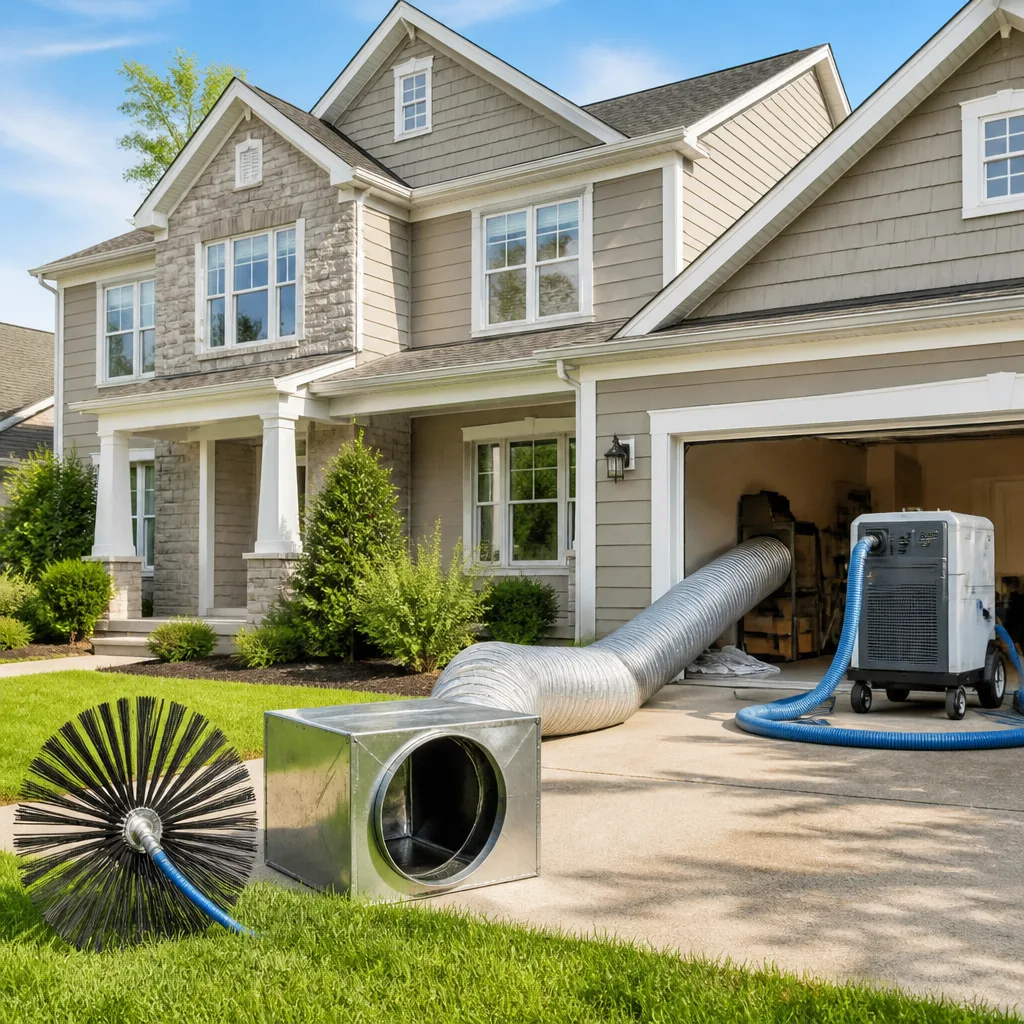
 Whole-home duct cleaning
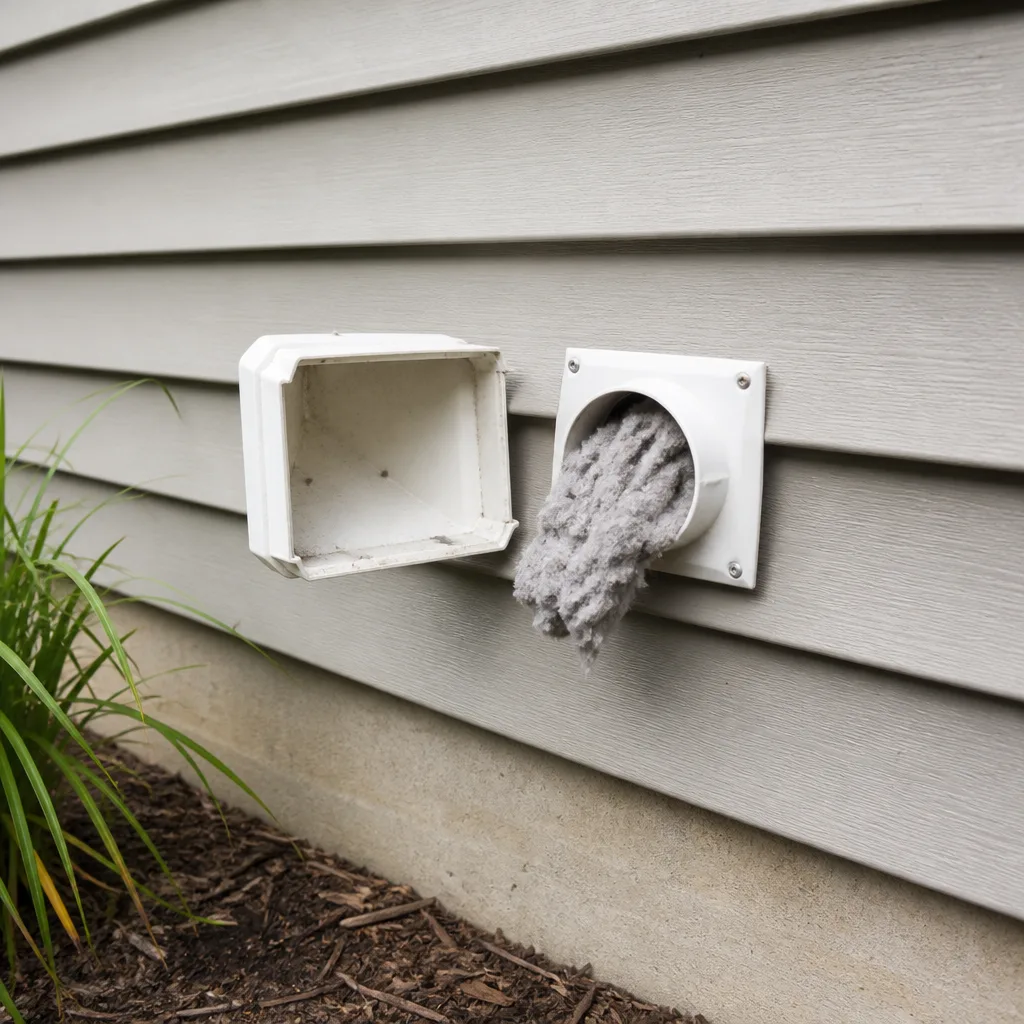 Dryer vent cleaning
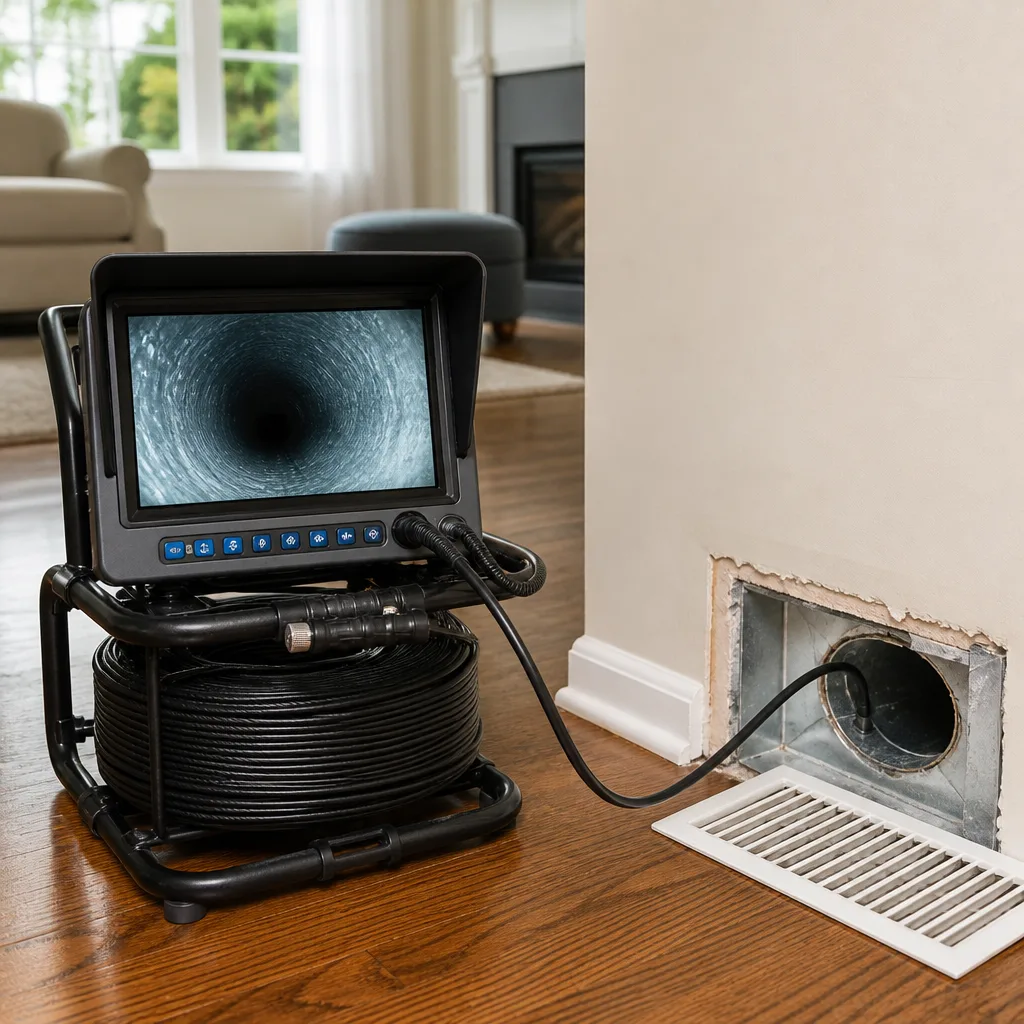 Camera inspection
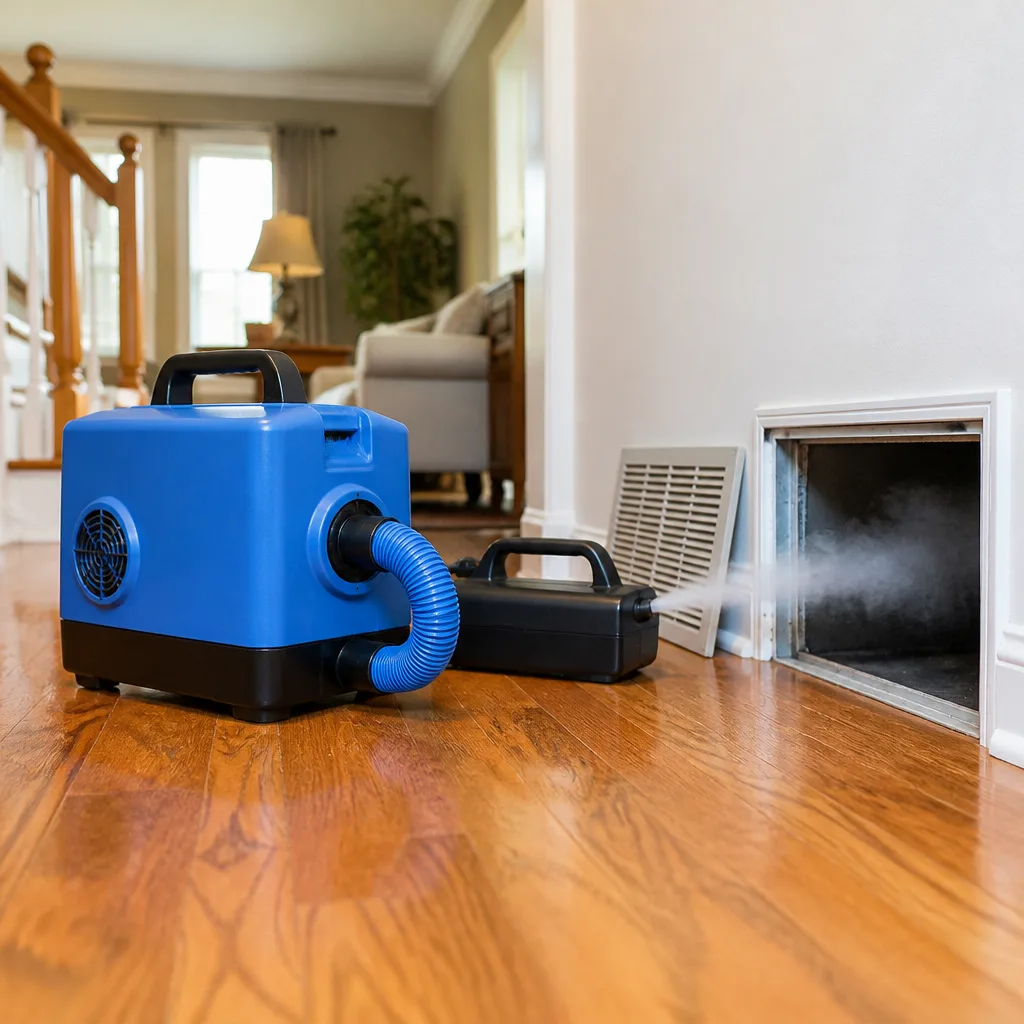 Sanitizing & deodorizing
Whole-system duct and dryer vent check with before-and-after photos - you see exactly what came out of your vents
That "$99 whole-house special" is a bait ad - the real number appears once they are in your hallway, or the "clean" is a shop-vac at the register. We photograph the inside of your ducts before and after instead.
Nikro Coil Cleaning: The Torrance Owner’s Guide
If your Nikro coil cleaning setup has a failed or failing component, here’s the short version: we stock Nikro-compatible coil cleaning parts at our Torrance shop and install them for a flat quoted price, typically $145 to $295 depending on the part and your specific unit. You’ll get a written price before we touch anything, and most swaps are done in under an hour. The way owners usually find us is straightforward: the machine starts losing suction mid-job, the coil brush stops spinning under load, or the trigger assembly goes soft and won’t hold pressure. One day the tool works, the next it doesn’t, and suddenly a two-hour cleaning turns into a four-hour fight with equipment that won’t cooperate. We fix that.
Which Nikro Models This Applies To
Nikro has put out a few different coil cleaning lines over the years, and the compatibility question trips up more owners than anything else. The parts we handle cover the common Nikro coil cleaning setups found in the South Bay: the hand-held coil cleaning wands and brush attachments used with Nikro’s negative air systems, plus the portable sprayer assemblies that run off standard shop air or the machine’s own compressor. If you look at the data plate on your Nikro unit, you’ll see a model prefix (like WS, CC, or PCE) followed by a series number. That series number matters more than the year it was made. A 2012 Nikro unit and a 2019 unit in the same series often share the same coil cleaning components. A unit from a different series usually won’t.
Here’s the gotcha we see regularly in Torrance: the quick-connect fittings on older Nikro coil wands are brass, but the newer production runs switched to stainless steel with a slightly different thread pitch. They look identical at a glance. If you force the wrong fitting, it strips and you’re buying a whole new wand instead of a $14 adapter. We match parts by model number and thread spec, not by eyeballing a photo. When it comes to OEM Nikro parts versus quality aftermarket equivalents, we’re direct about the trade-off: OEM costs 20 to 40 percent more but matches the factory tolerances exactly. Quality aftermarket parts from brands we have vetted (the same ones we run on our own trucks) perform on par for most coil cleaning work, and we’ll tell you honestly which choice makes sense for your unit and how hard you use it. We’re an independent service provider, not affiliated with Nikro, so our incentive is giving you the part that holds up, not the one with the right logo.
Styles & brands we work with
Signs Your Nikro Coil Cleaning Is Failing
Most Nikro coil cleaning failures show up as one of these five symptoms. You’ll notice them fast if you’re paying attention to how the tool behaves under load.
- Loss of spray pressure mid-cycle. The trigger feels normal but the coil cleaner comes out as a weak mist. This is almost always a worn diaphragm or a cracked internal seal in the sprayer head. It starts intermittent, then gets progressively worse until the tool just won’t build pressure at all.
- Coil brush stops spinning under light load. The brush spins fine in open air but bogs down the moment it touches a coil. That’s a slipping drive clutch or a stretched drive belt inside the wand. The motor itself is rarely the problem. Replacing the clutch assembly is a 20-minute repair and saves the motor from burning out.
- Leaking at the fitting or trigger. You’ll see cleaning solution dripping from the base of the wand or the trigger pivot. O-rings in Nikro wands harden with age, especially in Torrance’s dry air, and once one goes, the others are right behind it. We replace all of them at once when we open the tool up.
- Air hissing from the quick-connect even when engaged. That’s a worn coupler, common after a few hundred connect/disconnect cycles. It wastes compressor air and drops your spray pressure at the nozzle. The fix is a new coupler set, matched to the fitting style we described above.
- Trigger feels sticky or won’t fully return. Chemical residue from coil cleaners builds up inside the trigger mechanism over time. On units used heavily in the South Bay’s commercial kitchen and AC-heavy season, we see this happen within two years. A full trigger teardown and cleaning usually restores it, but if the return spring is corroded, replacement is the only reliable path.
See the difference
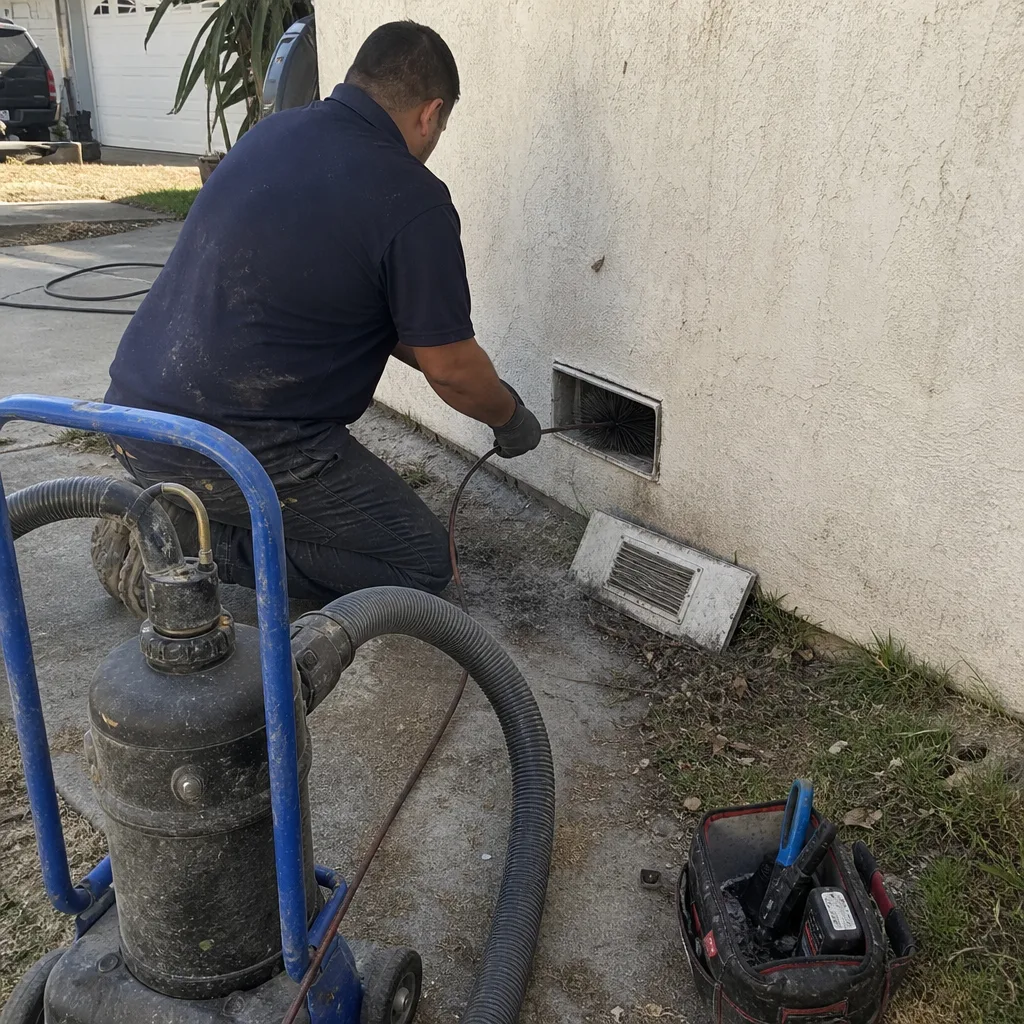 Before
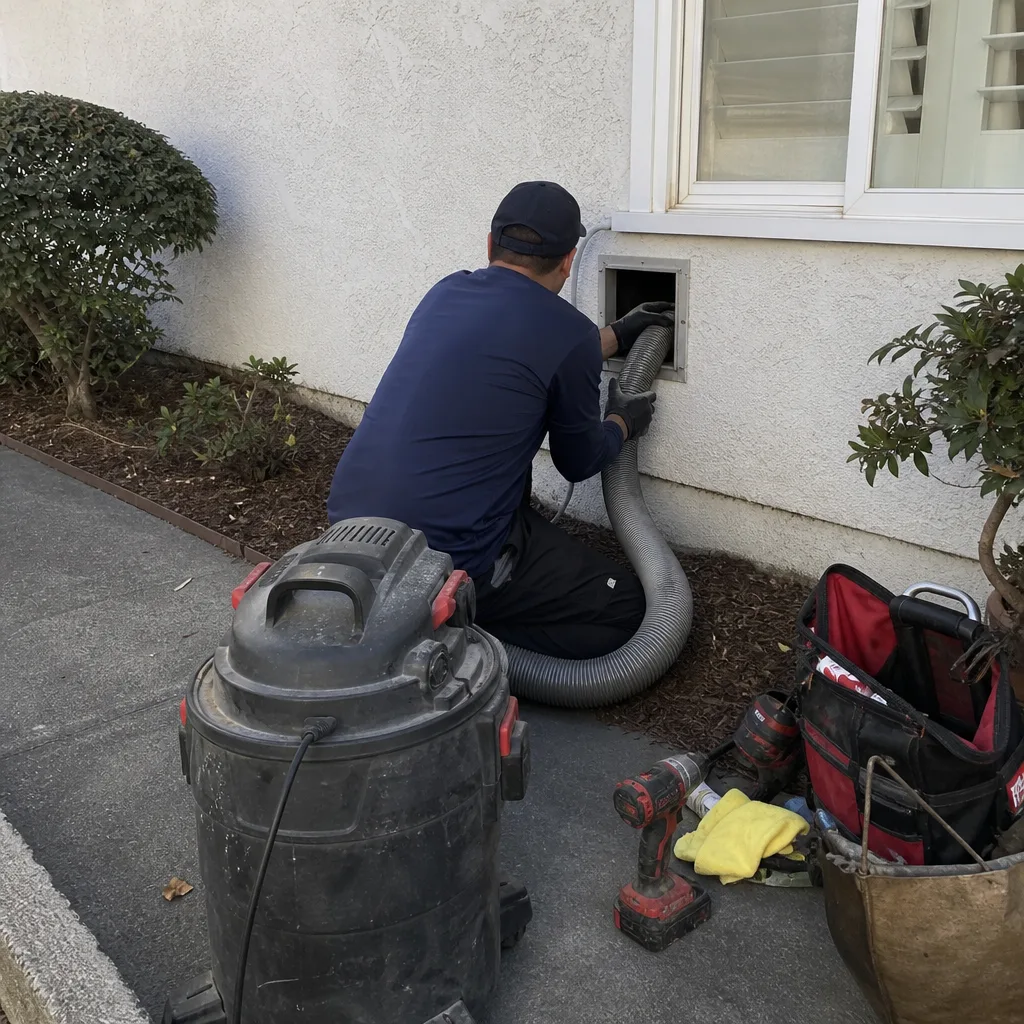 After
After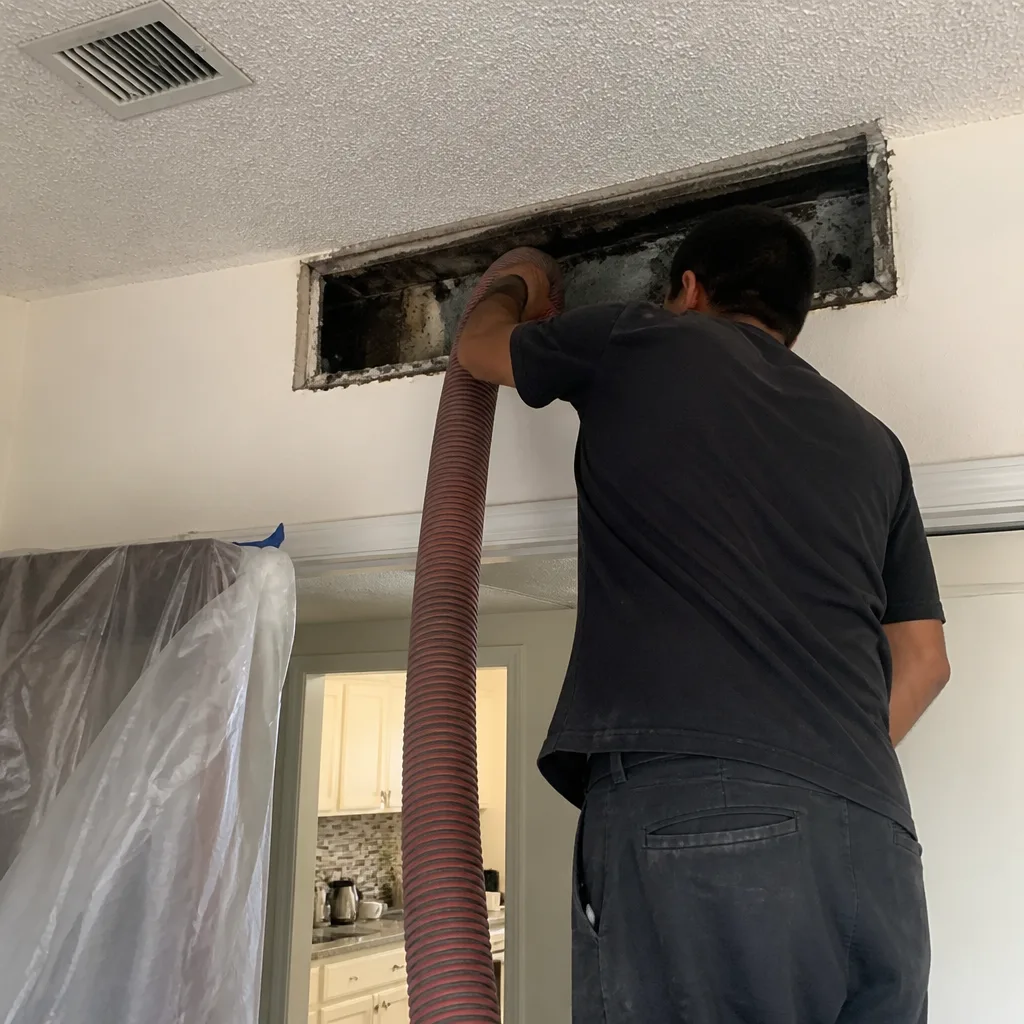 Before
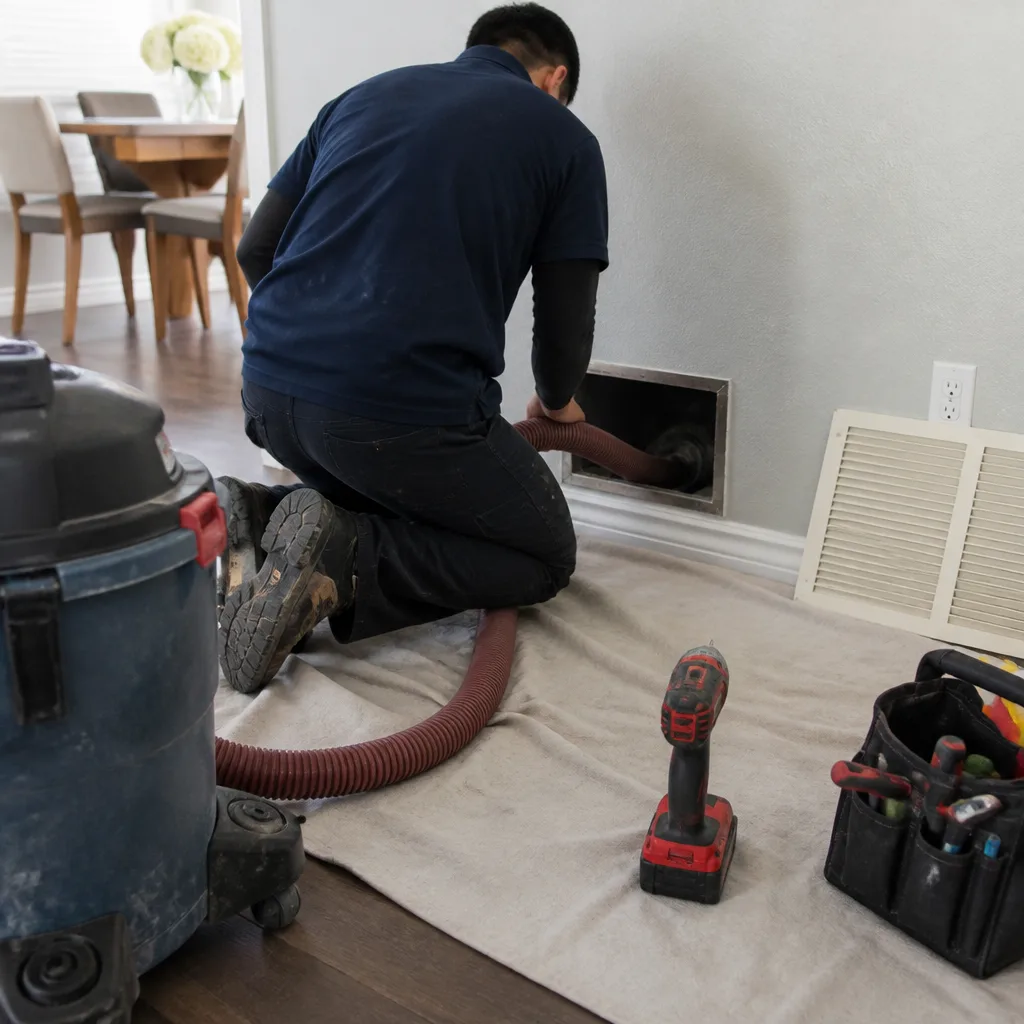 After
After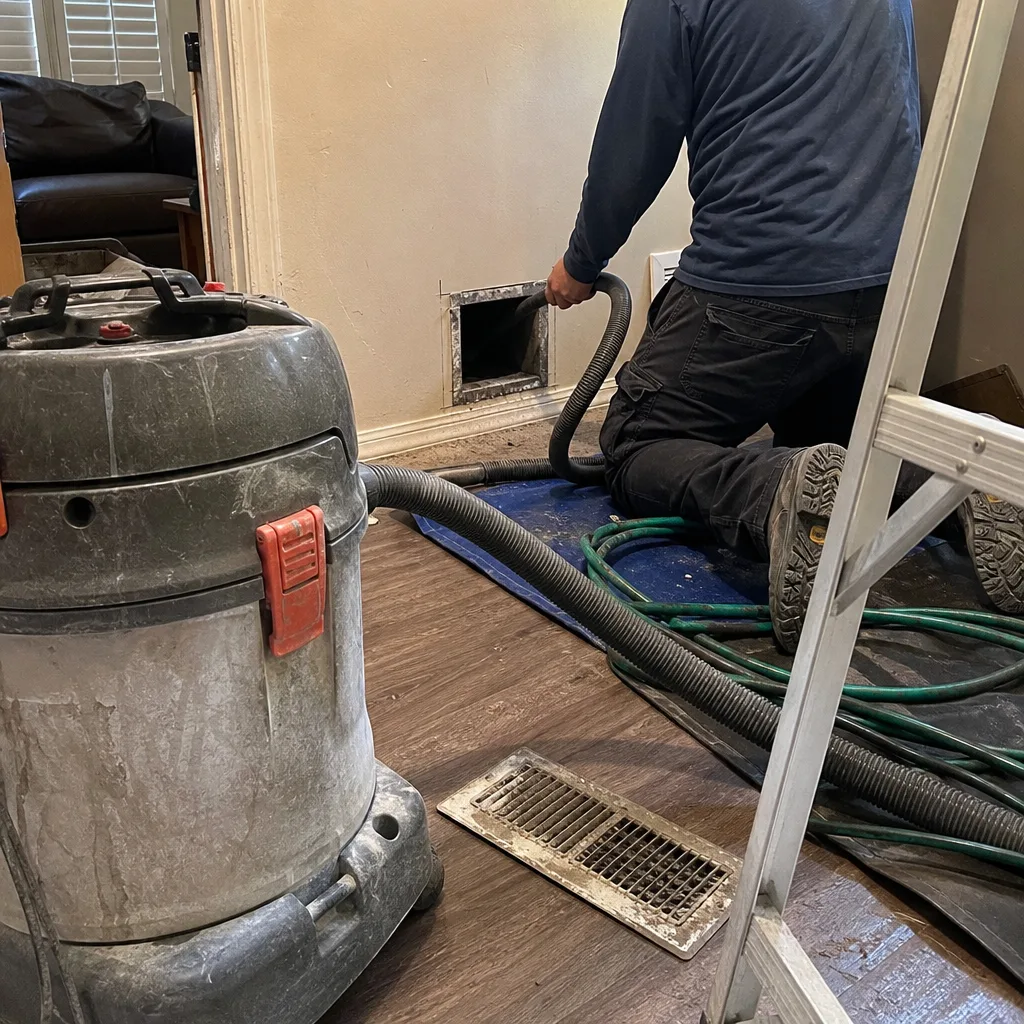 Before
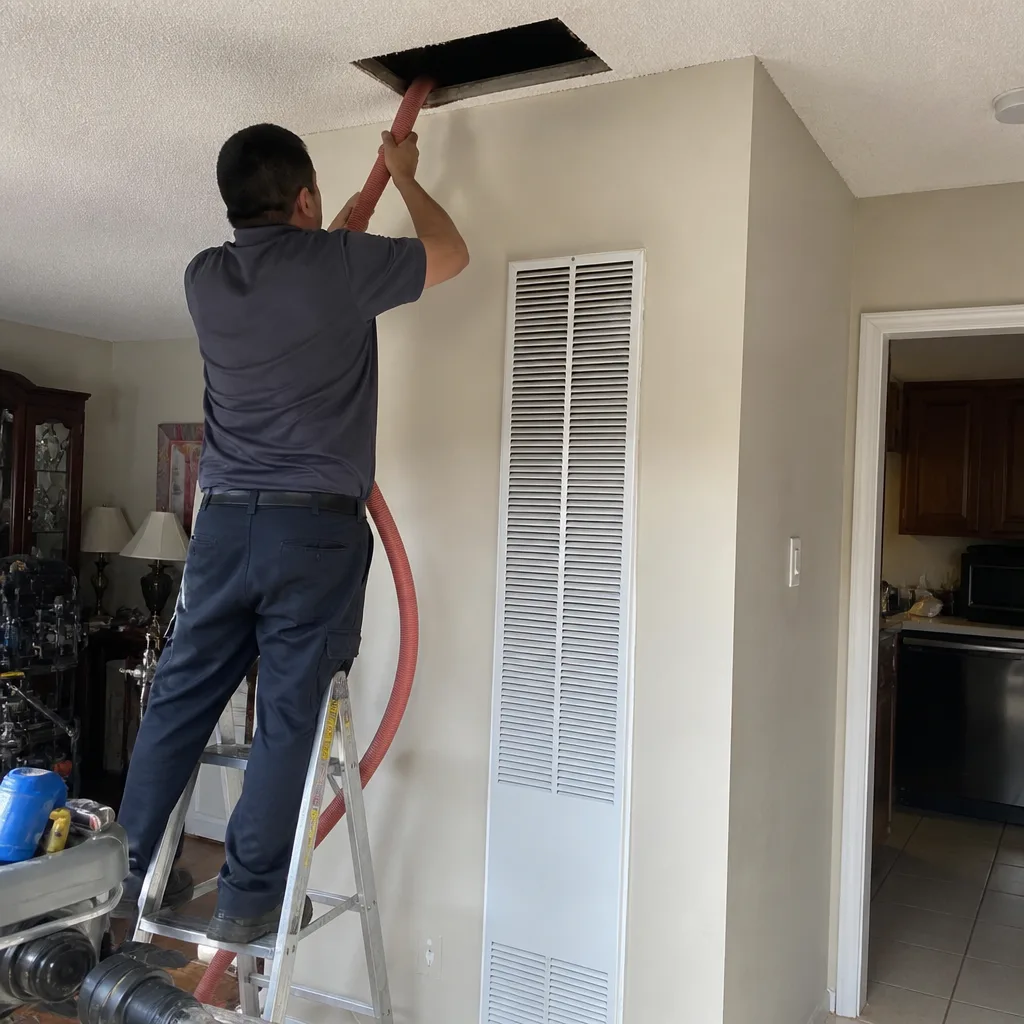 After
AfterReplacement Cost & What’s Included
In Torrance, Nikro coil cleaning part replacements run $145 to $295 installed depending on what’s failed. A simple O-ring kit and coupler replacement sits at the bottom of that range. A new sprayer head or drive clutch assembly lands near the top. Here’s what that price includes: the part itself, the labor to install and test it, verification on your machine that it builds and holds pressure, and our written guarantee on the repair. If the repair fails within 365 days, we come back and correct it at no charge. That’s the 365-Day Done Right Promise and it applies to every coil cleaning repair we do, no exceptions.
What drives the price? Two things: which component failed and whether you’ve got an older series that needs the brass-to-stainless adapter we mentioned. You’ll know the exact number before any work starts because we hand you a written price first. No “we’ll see when we get in there” surprises. You’ll also get before-and-after photos of the actual work so you can see exactly what was replaced and why.
DIY or Call Us?
Some things are worth checking yourself. Inspect the quick-connect fitting for visible damage, listen for that air hiss, and check whether the brush spins freely by hand. Those observations help us diagnose faster on the phone. Where DIY goes wrong is opening the wand or sprayer head without the right tools: the internal springs are under tension and the diaphragm assembly is easy to damage if you pry it open without releasing pressure first. We’ve had more than one Torrance customer bring us a “simple fix” that turned into a full wand replacement because a retaining clip went flying. If the part is larger than an O-ring, call us at (424) 488-0361 and we’ll quote the swap honestly over the phone. If it turns out to be a $20 fix, that’s what you’ll pay.
FAQs
On a unit used weekly in the South Bay’s AC-heavy season, most Nikro coil cleaning components last three to five years before something wears out. Seals and O-rings go first, and that’s normal maintenance, not a defect. We also stock coil cleaning parts compatibility for Lennox, Trane, and Carrier systems, since those coils get cleaned with the same tools.
Sometimes. O-rings, couplers, and trigger assemblies can often be cleaned or rebuilt. Diaphragms and drive clutches are replace-once-you-notice-them items, and it’s rarely worth trying to patch one. We’ll tell you which camp your part falls into after a quick bench test, and the diagnosis call costs you nothing.
Most Nikro coil cleaning part swaps take 30 to 60 minutes on the bench. If it’s a full sprayer head replacement with fitting adaptation, figure an hour. You’ll know the timing when you book, and you’ll get a live trackable arrival window so you’re not sitting around waiting.
We keep the common wear items on the truck for same-visit replacement: O-ring kits, couplers, trigger springs, and sprayer heads for the most common Nikro series. Oddball parts might need 24 to 48 hours to source. Call us at (424) 488-0361 with your model number and we’ll tell you straight up whether we can do it today or need to order it.
Written by Omar Haddad, Owner & Lead Technician, Cardinal Air Duct Torrance, serving Torrance and nearby areas.