
Last updated October 15, 2026
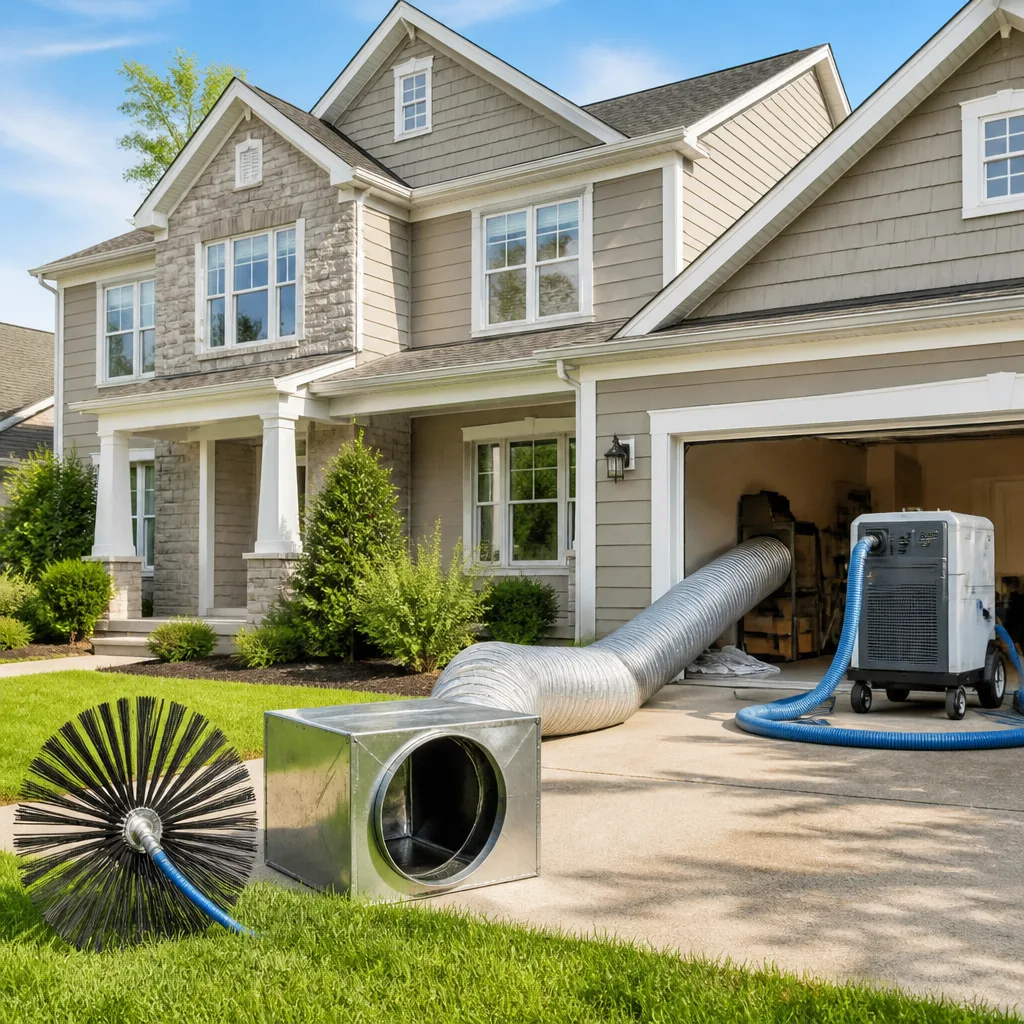 Whole-home duct cleaning
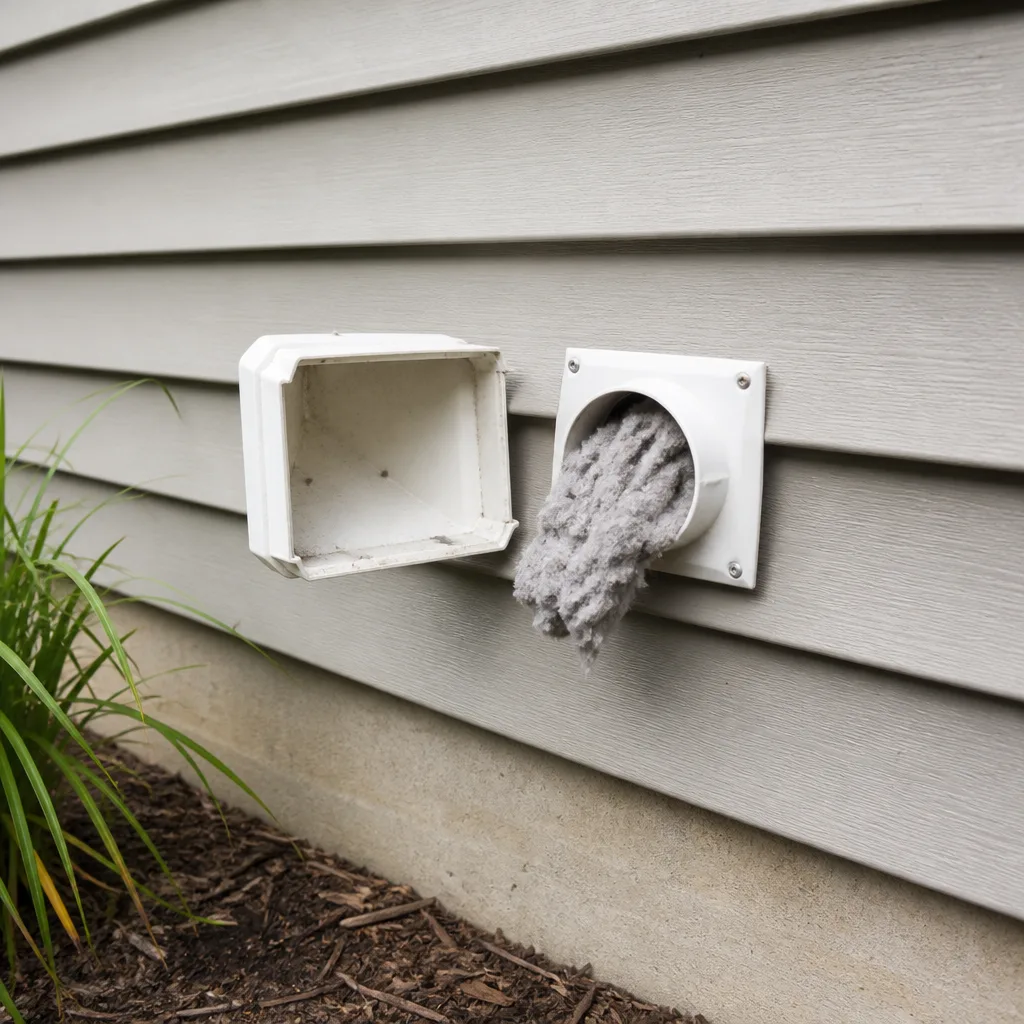 Dryer vent cleaning
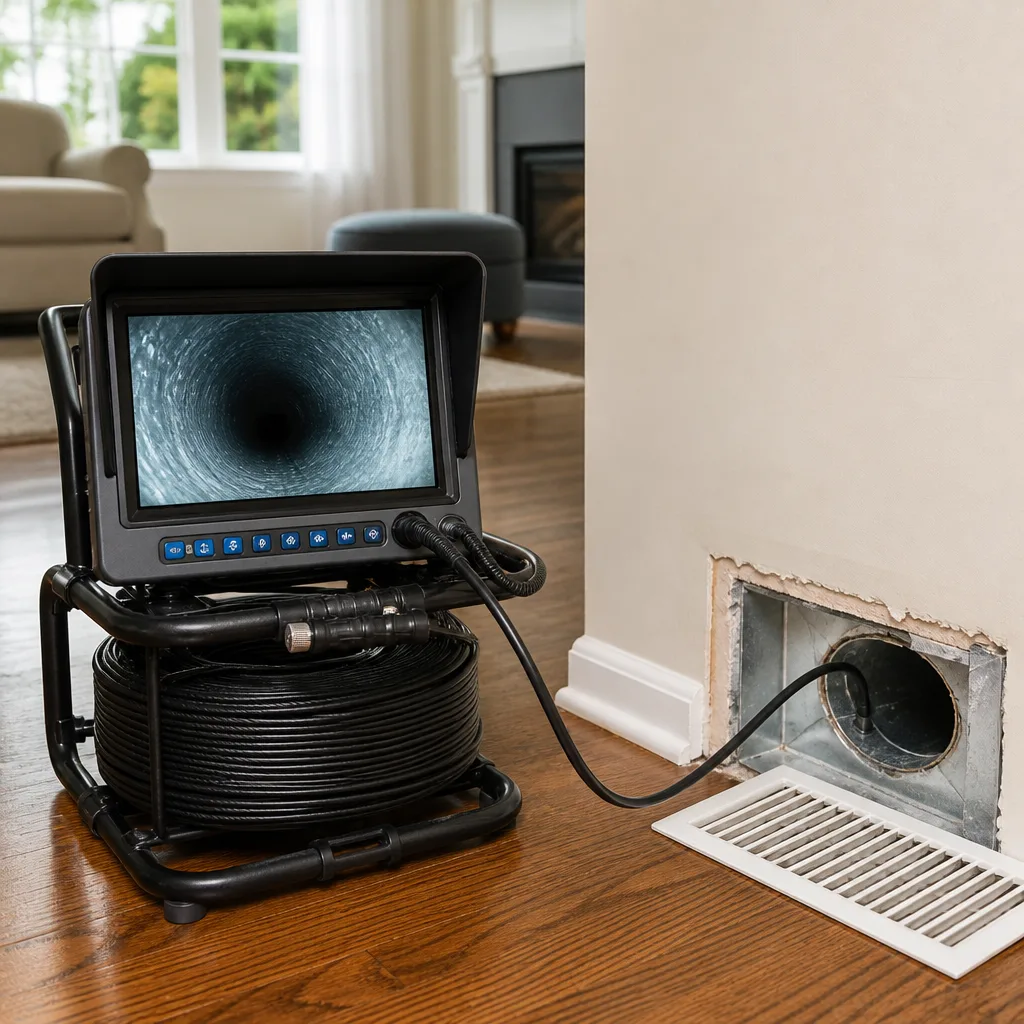 Camera inspection
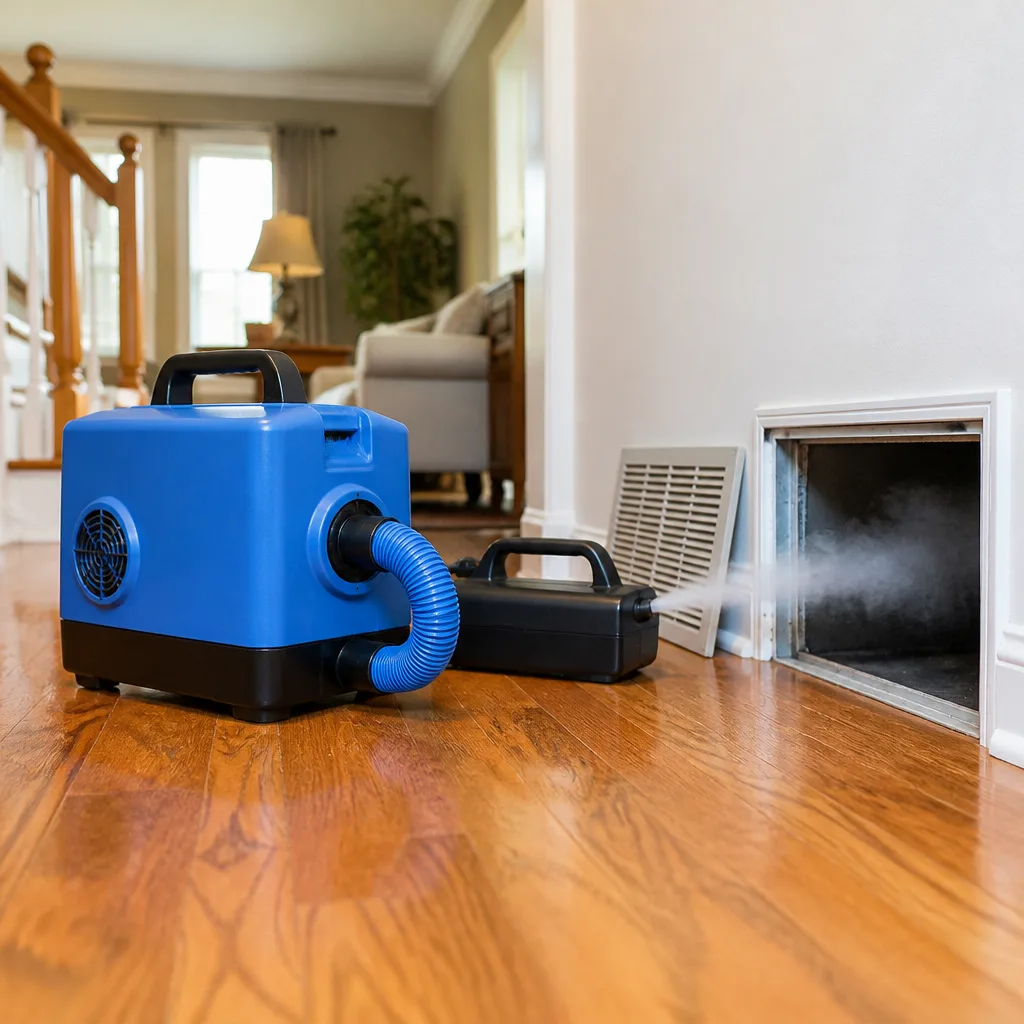 Sanitizing & deodorizing
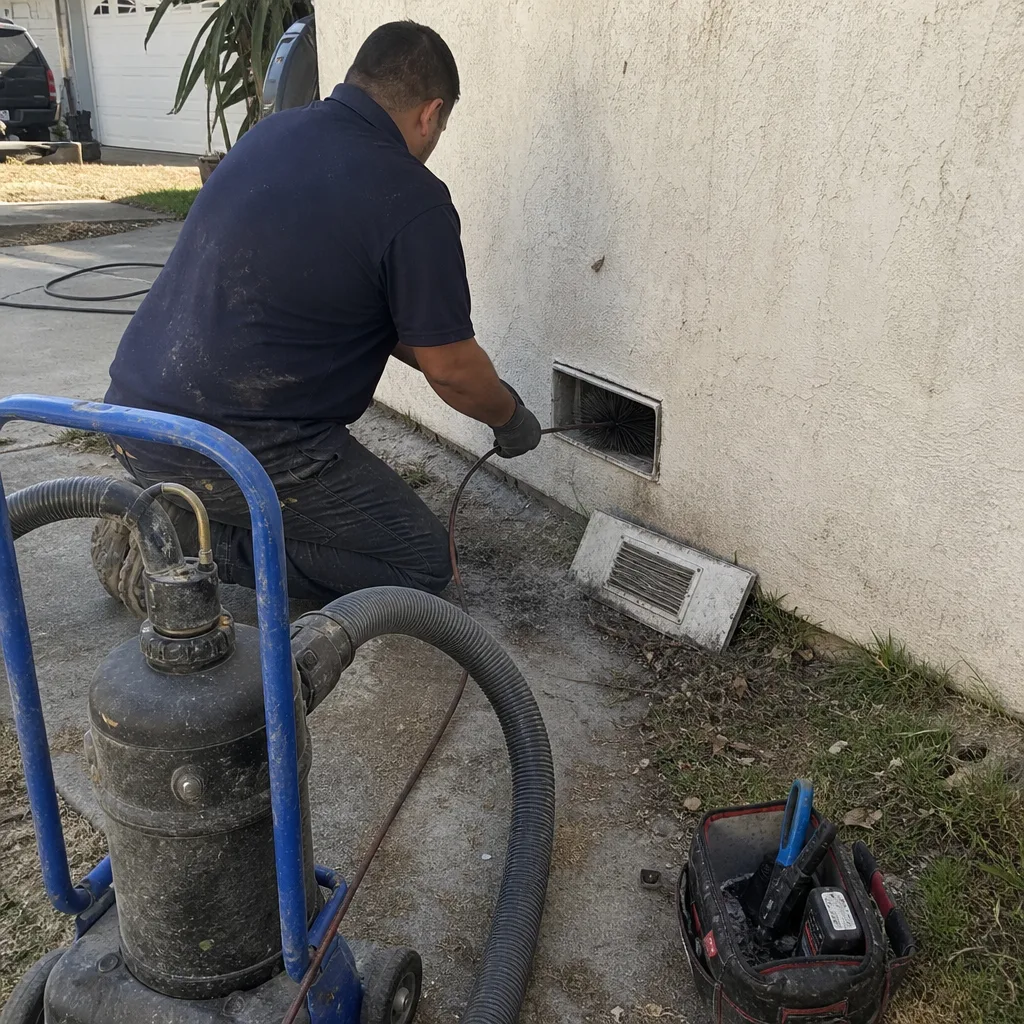
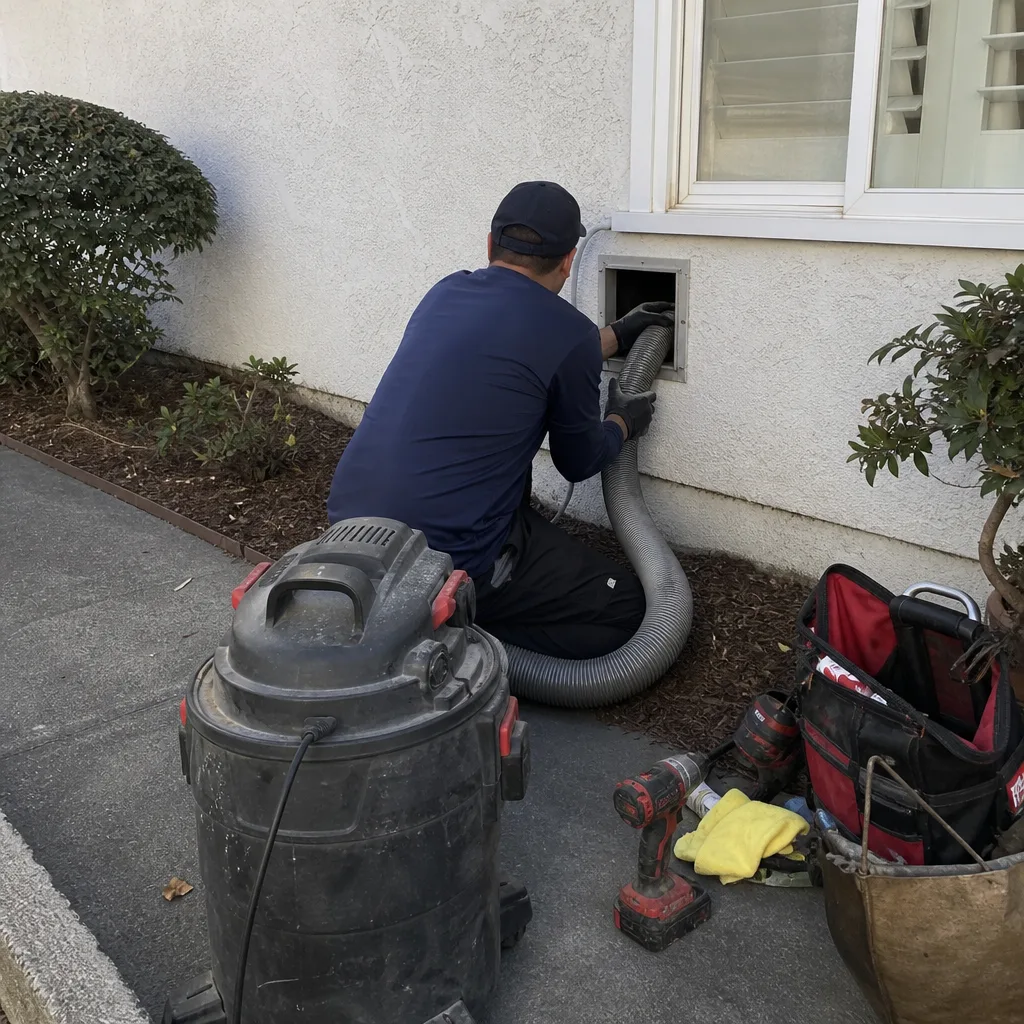
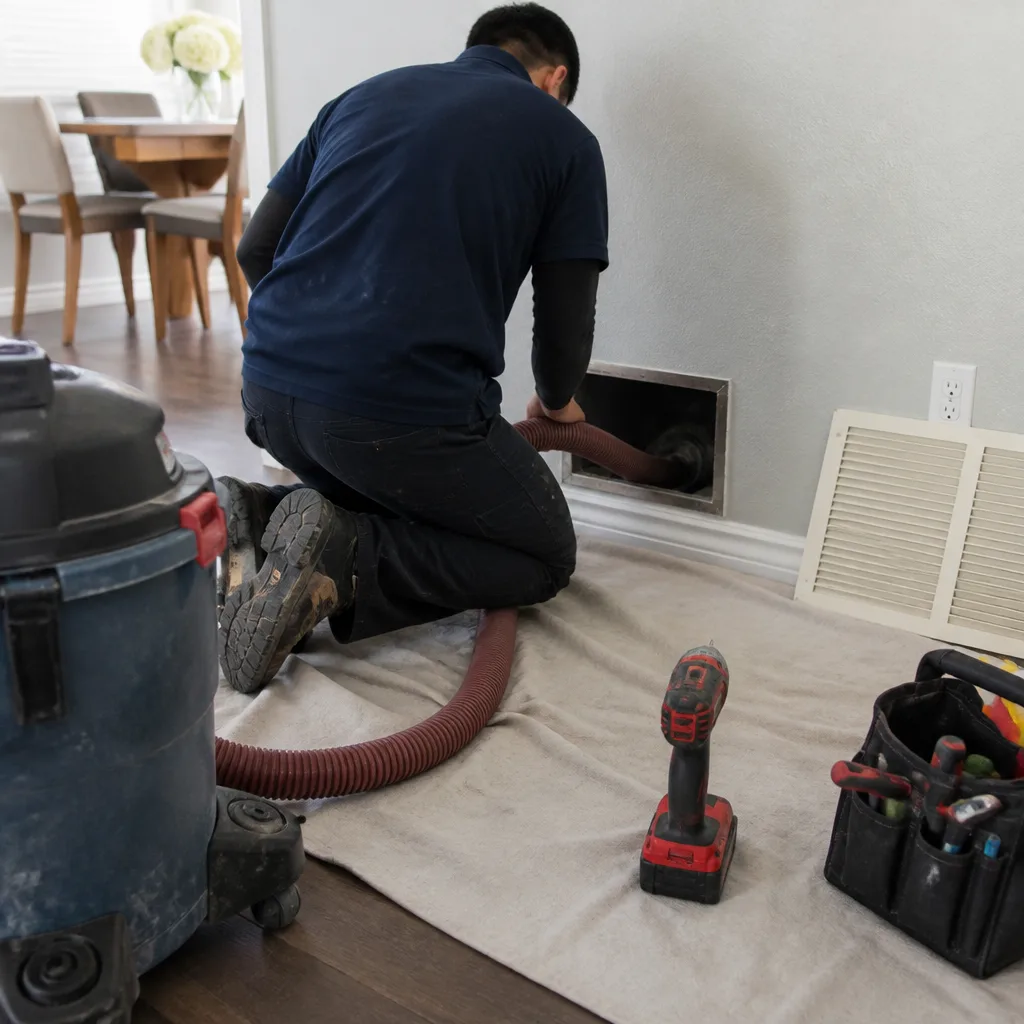
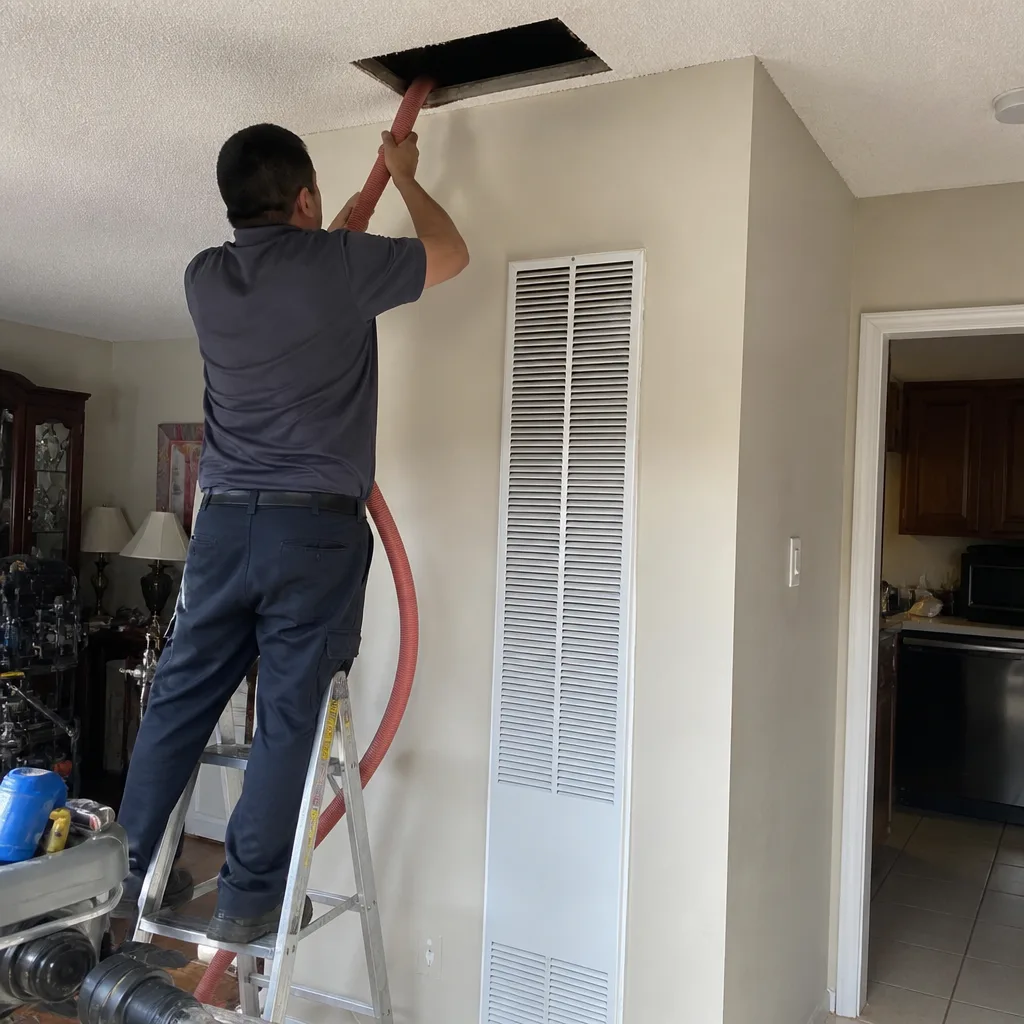
Whole-system duct and dryer vent check with before-and-after photos - you see exactly what came out of your vents
That "$99 whole-house special" is a bait ad - the real number appears once they are in your hallway, or the "clean" is a shop-vac at the register. We photograph the inside of your ducts before and after instead.
Air Duct Cleaning Permits, Codes & Inspections in CA: What You Need to Know
Here’s a fact that surprises most Torrance homeowners: the air duct cleaning industry in California operates almost entirely permit-free, yet it sits directly on top of one of the most heavily code-regulated mechanical systems in your home. Most people call a duct cleaner, get a quote, and never think twice about whether any of it needs city approval. And for pure cleaning, that’s fine. But the moment a technician recommends duct sealing, section replacement, or mold remediation, you have just crossed from maintenance into alteration, and California building code plus state public health law now have something to say about it. This guide draws that line clearly so you know exactly what requires a permit, what requires a licensed contractor, and what questions to ask before anyone touches your ducts. For a deeper dive into recognizing problems early, see our Air Duct Cleaning Warning Signs: A Torrance Homeowner’s Reference Guide.
Quick Answer
Routine Air Duct Cleaning services, HVAC coil cleaning, and dryer vent cleaning do not require a permit anywhere in California, including Torrance. However, duct replacement, duct sealing that involves product application, any modification to duct sizing or routing, and mold remediation inside ductwork all trigger California Mechanical Code (Title 24) permit requirements or California Department of Public Health licensing rules, and failing to pull those permits can complicate a home sale, void insurance claims, and leave you with unpermitted work you legally own.
Styles & brands we work with
Table of Contents
- Maintenance vs. Alteration: Where the Permit Trigger Actually Sits
- The California Mechanical Code (Title 24) in Plain Language
- When Mold Remediation Crosses Into CDPH Territory
- How South Bay Building Departments Handle HVAC Work
- The Insurance Angle: Unpermitted Duct Work and Claim Denials
- Four Questions to Ask Before Any Duct Repair Gets Authorized
- What a Duct Inspection Actually Looks Like
- Documentation That Protects You Long After the Job
Maintenance vs. Alteration: Where the Permit Trigger Actually Sits
California building departments draw a single bright line through the HVAC world: maintenance activities do not need permits, alterations do. The challenge for homeowners is that neither the California Mechanical Code nor the Los Angeles County building codes that Torrance operates under provide a tidy list of every scenario. What they provide instead is a definition, and that definition is the entire game.
Maintenance means restoring a system to its original designed condition. Cleaning accumulated debris from duct interiors, vacuuming out return plenums, washing evaporator coils, replacing a standard air filter, lubricating a blower motor, and removing lint from a dryer vent all fall under maintenance. None of these activities change how the system was designed to function. None require a city permit. None require a building inspection. A homeowner can hire anyone competent to perform them, or in some cases perform them personally.
Alteration means changing the system from its original design. Replacing a section of ductwork with a different diameter, adding a new supply run to reach a room addition, rerouting ductwork around new framing, installing a zoning damper system, or applying aerosol sealant to close leaks all count as alterations. These activities change airflow dynamics, static pressure, and thermal performance, so California treats them as construction work governed by the permit process.
The line gets blurry in one specific spot: duct sealing done to address leaks discovered during cleaning. If a technician applies mastic or foil tape to a visible seam during a cleaning visit, that’s generally viewed as incidental repair and does not require a permit. But if the recommendation is full duct sealing using an aerosolized product, that’s a system-wide alteration with code implications, because it changes the pressure characteristics of the entire distribution network. In Torrance, where homes built from the 1950s through the 1980s often have original sheet metal ductwork that has never been properly sealed, this recommendation comes up constantly.
Understanding this distinction matters because it changes who you can legally hire, what documentation you should demand, and what you may have to disclose when you sell. A maintenance-only duct cleaning from Air Duct Cleaning in Torrance produces an invoice and before-and-after photos. An alteration produces permits, inspection records, and a permanent file at the city that either helps or haunts you later.
The California Mechanical Code (Title 24) in Plain Language
The California Mechanical Code, formally known as Part 4 of Title 24 of the California Code of Regulations, sets the legal minimum standards for every HVAC installation and modification in the state. It covers duct material, insulation requirements, sizing calculations, fire damper placement, clearance to combustibles, and the proper fastening of duct sections. Every city in California enforces some edition of this code, and Torrance is no exception.
Here’s what the code means for a homeowner in practical terms:
- Duct material matters. Replacement ductwork in California must be listed and labeled for HVAC use. That means metal duct, flexible duct with a UL listing, or fiberglass duct board that meets ASTM standards. Homemade or improvised duct sections fail inspection.
- Sizing is not a guess. The code requires that replacement ducts be sized according to Manual D or an equivalent accepted calculation method. A contractor who replaces a 10-inch duct with an 8-inch duct because that’s what’s on the truck has violated the code, even if the system still moves some air.
- Insulation is mandatory, not optional. Supply ducts in unconditioned spaces, which describes almost every attic in Torrance, must carry R-6 or R-8 insulation depending on the climate zone. Torrance falls in Climate Zone 6 for Title 24 purposes, and the code’s energy provisions apply to any duct replacement.
- Access and sealing requirements. Every duct connection must be accessible for inspection before insulation is applied. Taped joints must use UL-listed tape. Mastic must be applied to manufacturer specifications.
The code also mandates that any alteration exceeding a threshold defined by the local building department requires a permit. In practice, that means any replacement of more than a single section of duct, any new duct run, any change to duct diameter, and any relocation of a register. The permit process involves submitting a drawing or description of the work, paying a fee, and scheduling an inspection after completion.
A final code point that many Torrance homeowners miss: California’s energy code, Title 24 Part 6, requires that when ducts are altered as part of a larger renovation, the altered portions be verified with a duct leakage test. This is not a suggestion. A HERS rater or the building inspector may require a test showing leakage below a specific threshold. Unpermitted work bypasses this verification entirely, which means nobody ever confirmed your ducts weren’t leaking conditioned air into the attic.
When Mold Remediation Crosses Into CDPH Territory
Duct cleaning and mold remediation are often sold as a package, but California law treats them as completely different activities with completely different rules. The California Department of Public Health (CDPH) regulates mold remediation contractors under the state’s health and safety code, and those regulations carry licensing and training requirements that a standard duct cleaning company does not automatically meet.
The trigger is the scope of the mold problem. If a visual inspection during duct cleaning finds light surface discoloration consistent with dust and moisture staining, a cleaning technician can address that with HEPA vacuuming and antimicrobial treatment designed for HVAC surfaces. That’s normal cleaning work. But if the finding is active mold growth covering more than ten square feet of duct interior surface, or if the mold has colonized insulation that must be removed, or if the water damage that caused the mold extends into surrounding building materials, that’s no longer a duct cleaning job. That’s mold remediation.
California law requires that mold remediation be performed by a contractor holding specific documentation. The CDPH does not license mold remediators directly, but it requires that remediation work follow established protocols, and most insurers demand that remediation contractors be certified by a recognized body such as the IICRC. The critical point: unlicensed, uncertified mold removal inside ductwork can create more liability than the mold itself, because disturbed mold spores released without proper containment are exactly how a localized problem becomes a whole-house contamination event.
Torrance homeowners get this confused because duct cleaning companies often advertise mold treatment services alongside their cleaning packages. Treatment is not the same as remediation. Treatment means applying an EPA-registered antimicrobial to cleaned surfaces to slow future growth. Remediation means removing contaminated material, containing the affected area, cleaning the air, and verifying the result. One is maintenance. One is regulated work with health implications. If a contractor quotes you a flat mold package without asking about the moisture source, without discussing containment, and without mentioning CDPH or IICRC standards, you need a second opinion before any work starts.
Companies operating professional containment equipment, such as Abatement Technologies negative-air units, are typically equipped to handle the containment side of remediation properly. A truck-mounted shop vac is not containment equipment, and no amount of conversation changes that.
How South Bay Building Departments Handle HVAC Work
Torrance operates its own building department, and it maintains a reputation among South Bay contractors for being thorough without being hostile. The city enforces the California Mechanical Code through its building and safety division, and it expects HVAC permits for work that qualifies as alteration. Anyone who has pulled a permit for a furnace replacement in Torrance knows the drill: application, plan or scope description, fee based on project valuation, inspection scheduled after rough-in and after final.
For duct work specifically, Torrance’s inspectors typically want to verify three things during an inspection: that the duct materials match the approved submittal, that connections are properly sealed with listed materials, and that insulation is installed where the code requires it. Inspections are quick when the paperwork and the work quality are both legitimate. They become drawn out when an inspector finds mismatched materials, sealed connections that must be reopened for examination, or insulation that was clearly installed to hide work rather than protect it.
The South Bay climate adds a specific consideration that homeowners in other parts of California rarely face. Torrance sits directly in the marine layer zone. Overnight humidity is high, summer temperatures are moderate, and ductwork in uninsulated attics can develop condensation on exterior surfaces during certain seasons. This is why the code’s insulation requirements are not bureaucratic box-checking. They’re the difference between a duct system that operates as designed and one that sweats, corrodes, and eventually supports microbial growth. We’ve opened plenty of attics in South Torrance and Walteria where original duct insulation had deteriorated into a damp, sagging mess that was quietly degrading indoor air quality. The code provisions exist for exactly these situations.
For homeowners, the practical takeaway is this: if your duct cleaning yields a recommendation for repair or replacement, call the Torrance building department before authorizing the work. Ask whether the described scope requires a permit. The staff will tell you, and that conversation takes five minutes. It’s the simplest verification step in this entire guide, and almost nobody does it.
The Insurance Angle: Unpermitted Duct Work and Claim Denials
Insurance companies are not in the business of paying claims they can legally deny, and unpermitted mechanical work is one of the most reliable denial triggers in the residential property world. This is not a hypothetical edge case. It’s a documented pattern that plays out in Torrance and across California every year.
Here’s how it works. A homeowner hires a contractor to replace a section of ductwork that was damaged during a renovation. The contractor suggests skipping the permit to save time and money. The work is done. Two years later, a fire starts in the attic near a duct connection that was improperly sealed. The homeowner files a claim. The insurance company’s investigator finds unpermitted duct modifications. The claim is denied on the grounds that the unpermitted work constitutes a material change to the property’s mechanical systems that was never disclosed or inspected. The homeowner is left holding the full cost of repairs plus the original unpermitted work.
The same pattern applies to water damage claims. If a duct condensation problem causes water damage to ceiling drywall, and the insurance investigation reveals that the ductwork was recently modified without permits, the insurer may argue that the unpermitted modification caused or contributed to the failure. Again: denial. The permit isn’t just about code compliance. It’s the document trail that protects your insurability.
There’s a second insurance angle that most homeowners never consider. If you hire a contractor who performs unpermitted work that later fails and causes damage, your ability to recover from that contractor depends on proving they performed defective work. California contract law gives you tools for this, but those tools work much better when the work was permitted, because the permit file establishes a documented record of what was supposed to happen and what the inspector observed. Without a permit, the dispute becomes a contested narrative between you and the contractor, and your homeowner’s insurance may decline to defend you because the underlying work was unpermitted.
The fix is simple but requires discipline at the moment of decision: any duct work beyond cleaning and incidental repair gets a permit, period. The cost and delay are real but modest. The alternative is a financial exposure that can dwarf the original project cost by an order of magnitude.
Four Questions to Ask Before Any Duct Repair Gets Authorized
You do not need to be an HVAC expert to protect yourself. You need to ask four questions, in order, and you need to hear acceptable answers before any repair or alteration work begins. Here they are:
- “Does this work require a permit in Torrance?” If the contractor says no, ask them to confirm that in writing on the estimate. If they hesitate, that tells you something. If they say yes, the next question follows naturally.
- “Who pulls the permit, and is it included in the price?” On permitted work, the contractor should pull the permit under their license. If they want you to pull it as homeowner, ask why. Homeowner-pulled permits shift legal responsibility for code compliance onto you.
- “What documentation will I receive when the work is done?” The correct answer includes a final invoice, a copy of the permit with the final inspection sign-off, and ideally before-and-after photos of the work. These docs matter for resale and insurance.
- “Is the person doing the actual work your employee or a subcontractor?” If a subcontractor is involved, ask for their license number as well. You want to know who is on your property and whose insurance covers them. Background-checked, uniformed technicians are the standard you should expect, not a bonus.
These questions take four minutes to ask. They will not make a legitimate contractor uncomfortable. They will make a contractor who was planning to blur the maintenance-alteration line suddenly reconsider. That’s the point.
What a Duct Inspection Actually Looks Like
If you’re new to permitted HVAC work, the inspection process sounds more intimidating than it is. Here’s what to expect in Torrance, step by step.
After the permit is issued and the duct work is completed, but before insulation is applied over any new connections, the contractor schedules a rough inspection. The inspector arrives, checks that the duct materials match what was submitted with the permit application, verifies that connections are properly sealed using listed tape or mastic, and confirms that the duct sizing follows the approved plan. They’ll look at supports and strapping to verify the ductwork is properly suspended. They may take photos for the city file. This inspection usually takes twenty to forty minutes.
Once rough inspection passes, insulation goes on. Then the contractor schedules a final inspection. The inspector verifies insulation coverage and R-value, checks that access points were restored, and confirms that the system operates without obvious airflow issues. They sign off, and the permit file closes.
The key detail: the inspector is not evaluating whether the cleaning was done well. Inspectors do not evaluate cleanliness. They evaluate code compliance. Which means a cleaning company can do beautiful work and still leave you with an unpermitted alteration if they replaced duct sections without going through this process. Cleanliness and code compliance are separate things, tracked separately, and it’s possible to have one without the other. The goal is both.
Documentation That Protects You Long After the Job
Paperwork feels bureaucratic until the day you need it, and then it becomes the most valuable thing in your house. After your duct cleaning or permitted duct work, here’s what you should have in your files:
- The written estimate and final invoice. These should match. If the final bill is higher, the difference should be explained in writing. This is the baseline expectation for any legitimate Torrance service provider, and it’s the standard we hold ourselves to at Cardinal Air Duct Torrance home.
- The permit and inspection sign-off. If work was permitted, keep the permit number, the final inspection date, and the inspector’s sign-off. You’ll pull this file out when you sell the house.
- Before-and-after photos. Modern duct cleaning equipment from manufacturers like Rotobrush and Nikro includes camera documentation of duct interiors. These photos prove what was cleaned and what the results looked like. They’re also evidence if a dispute arises.
- The written guarantee. Every repair should carry one. Ours is the 365-Day Done Right Promise: if it’s not done right within a full year, we return and make it right at no charge. That’s a specific, written commitment, not a verbal assurance.
- Equipment specifics. If any filtration or moisture control equipment was installed during the project, keep the model numbers and warranty registrations. Brands like Guardsman and Aprilaire require registration for warranty activation.
This documentation file takes ten minutes to assemble and it’s worth money at resale in a market like Torrance, where buyers and title companies increasingly ask for proof of permitted work and maintenance history. The absence of paperwork doesn’t prove anything was done wrong, but its presence proves things were done right.
Common Mistakes to Avoid
- Accepting “you don’t need a permit” without verification. The contractor may be right, but they may also be avoiding a permit they should be pulling. One call to the Torrance building department settles it.
- Treating mold remediation like an add-on cleaning service. Mold inside ductwork crosses into CDPH-regulated territory quickly. If a cleaner proposes aggressive mold removal without discussing containment, licensing, and moisture source, get a second opinion.
- Paying before the permit is signed off. If work required a permit, the final invoice shouldn’t be paid in full until final inspection passes. Legitimate contractors understand this sequencing.
- Assuming your insurance covers any duct-related damage. Unpermitted modifications can void coverage. The insurance company will look for the permit, and if it’s not there, the claim is in jeopardy.
- Taking the low bid without asking why it’s low. In Torrance’s duct market, aggressive low pricing often means skipped permits, unlicensed subcontracted labor, or equipment that isn’t up to professional standards. Ask the four questions.
- Not documenting before-and-after conditions. If you don’t have photos of what your ducts looked like before the work, you’re in a weak position to dispute anything afterward. Professional companies provide this documentation as a matter of course.
- Confusing cleaning with repair. A thorough cleaning reveals problems. It doesn’t fix them. If the system has leaking ducts, a restricted return, or improperly sized runs, those issues remain after the cleaning is done and need to be addressed as code-governed alterations, not swept into the cleaning scope.
See the difference
 Before
 After
After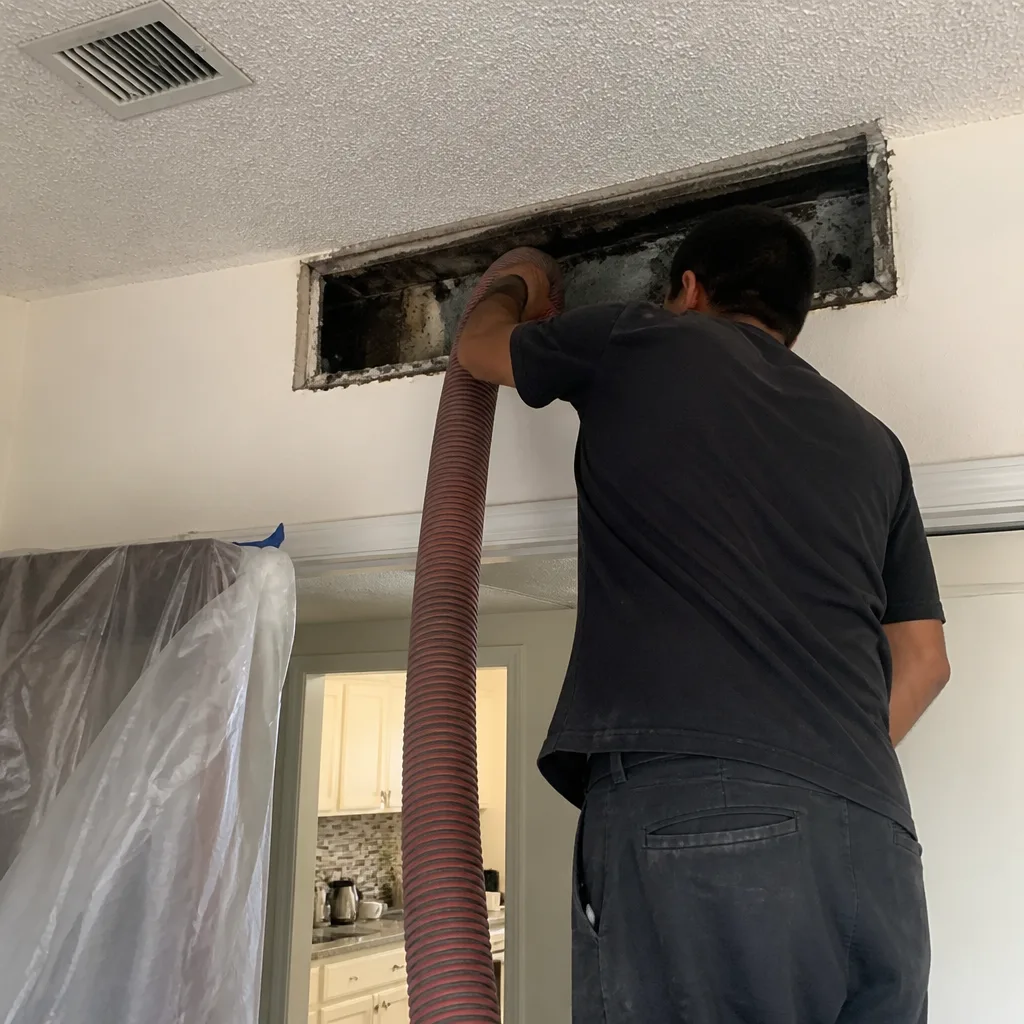 Before
 After
After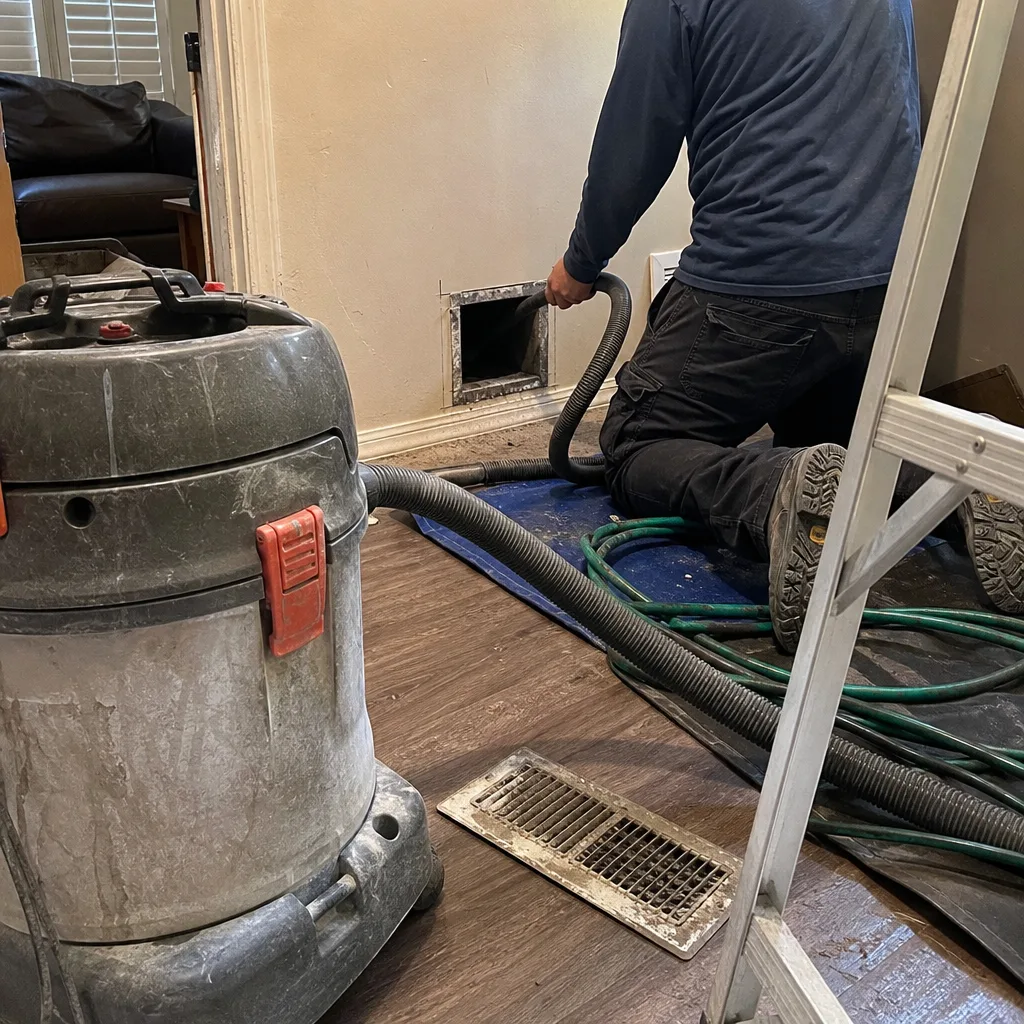 Before
 After
AfterWhen to Call a Professional
You should call a professional the moment you suspect any of these situations: visible mold inside ducts or on register covers, a recommendation from any contractor to replace or reroute duct sections, a planned renovation that will move walls or add square footage, unexplained moisture or water staining near duct runs, or significantly reduced airflow in one or more rooms that doesn’t improve after a basic cleaning. These are not DIY diagnostic situations, because they all sit close to the maintenance-alteration line where code compliance starts to matter.
For routine cleaning, the bar is your comfort level and the age of your home. For anything beyond that, the bar is the California Mechanical Code and the Torrance building department. If you’re not sure which side of the line your situation falls on, HVAC Cleaning in Torrance work starts with an honest assessment of what you actually need, not what’s easiest to sell. Cardinal Air Duct Torrance offers free estimates in Torrance, call (424) 488-0361, and we’ll tell you straight whether your job is maintenance or alteration before any work begins.
Frequently Asked Questions
No. Routine air duct cleaning, HVAC coil cleaning, and Dryer Vent Cleaning in Torrance are maintenance activities that do not require a permit from the Torrance building department or any other California agency.
A permit is required when duct work qualifies as an alteration rather than maintenance: replacing duct sections, changing duct diameter, adding new runs, rerouting existing ductwork, or applying aerosol sealant. Incidental sealing of small gaps during cleaning does not require a permit.
In California, duct repair and replacement must be performed by a contractor properly licensed by the Contractors State License Board. If the work requires a permit, the contractor must pull it under their license. Ask for the license number and verify it before authorizing any repair work.
Small amounts of surface mold can be addressed during routine duct cleaning with HEPA vacuuming and antimicrobial treatment. However, active mold growth covering more than ten square feet, colonized insulation, or mold extending into building materials triggers CDPH-regulated remediation protocols, which require specialized containment, proper removal, and a contractor with appropriate certifications.
You may be required to disclose it. California law requires sellers to disclose known unpermitted work, and buyers and their lenders often require retroactive permits or corrections. Retroactive permitting usually costs more than the original permit would have, and in some cases the work must be exposed, inspected, and partially redone.
Permit fees for residential duct work in Torrance typically run $150 to $400 depending on the scope, and the inspection process adds a few days to the timeline. The permit cost is a small fraction of the total project, which for a standard single-family home duct replacement usually ranges from $3,500 to $8,500. The exact figure depends on duct count, accessibility, and material choices. For a full breakdown of the process, read The Complete Guide to Air Duct Cleaning in Torrance, or call (424) 488-0361 for a specific quote for your Torrance home.
The Bottom Line
California draws a clear line between cleaning and altering ductwork, and knowing where that line sits protects you legally, financially, and practically. Cleaning is permit-free. Alteration is not. Mold pushes things further into regulated territory. And the insurance implications of unpermitted work are severe enough that skipping a permit is never worth the savings. The smart play in Torrance is simple: get your ducts cleaned by professionals who document their work with before-and-after photos and written guarantees, and if any repair work gets recommended, ask the four questions before anything gets authorized. Explore more guides & resources on our blog to stay informed. A little diligence at decision time prevents years of complications later.
Written by Omar Haddad, Owner at Cardinal Air Duct Torrance, serving Torrance since 2005.